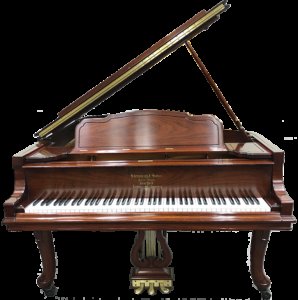
Restored and refurbished may seem interchangeable, but there is a clear distinction between the two. The primary disparity lies in the approach taken to bring an item back to life. When something is restored, it is returned to its original state, often using traditional methods and materials. Conversely, refurbishing involves giving new life to an item by updating its components or features. Understanding these nuances can help you make informed decisions when considering the restoration or refurbishment of your belongings.

What is the Difference Between Restored and Refurbished?
Welcome, readers, to a fascinating journey into the world of restored and refurbished items! Have you ever wondered about the distinction between these two terms? If so, you’re in the right place. In this article, we will delve deep into the nuances of restoration and refurbishment, uncovering the key differences that set them apart.
Restoration: Bringing Back the Past
Imagine stumbling upon a dusty old treasure in your attic—a weathered antique chair that once belonged to your great-grandparents. The chair is worn, with peeling paint and creaky joints, but beneath the layers of neglect lies a piece of history waiting to be revived through restoration.
Restoration is a meticulous process that focuses on returning an item to its original state, preserving its authenticity and historical significance. Whether it’s a classic car, a vintage watch, or a cherished family heirloom, restoration aims to breathe new life into old objects while maintaining their unique character and charm.
The Art of Restoration
Skilled artisans and craftsmen play a crucial role in the restoration process, employing techniques such as refinishing, reupholstering, and repairing to enhance the item’s appearance and functionality. Every intricate detail is carefully considered, from matching the original paint color to sourcing period-appropriate materials.
Restoration requires a keen eye for detail and a deep appreciation for the craftsmanship of yesteryears. It is a labor of love that demands patience, expertise, and a thorough understanding of the item’s history and aesthetic value.
Refurbishment: Renewing for the Future
Now, let’s shift our focus to refurbishment—a term often associated with modern electronics, furniture, and appliances. Unlike restoration, which aims to preserve the past, refurbishment is about revitalizing items to meet contemporary standards of performance and aesthetics.
Picture a sleek laptop that has seen better days, running slowly and sporting a scratched exterior. Through refurbishment, this laptop can undergo a transformation, receiving upgrades and repairs to enhance its speed, appearance, and overall functionality.
The Science of Refurbishment
Refurbishment involves a systematic approach to improving and renewing items, often carried out by skilled technicians and professionals. The process may include replacing worn-out parts, updating software, and conducting thorough quality checks to ensure that the item meets or exceeds the original specifications.
Unlike restoration, which emphasizes authenticity and historical accuracy, refurbishment prioritizes efficiency, reliability, and modernization. It is about extending the lifespan of products, reducing waste, and offering consumers affordable alternatives to brand-new purchases.
The Key Differences
Now that we’ve explored the essence of restoration and refurbishment, let’s summarize the key differences between these two terms:
- Objective: Restoration focuses on preserving the original features and historical integrity of an item, while refurbishment aims to enhance functionality and appearance for modern use.
- Approach: Restoration involves meticulous craftsmanship and attention to detail, often requiring specialized skills and expertise. In contrast, refurbishment follows a more systematic and standardized process to renew products efficiently.
- Outcome: Restored items retain their vintage charm and authenticity, appealing to collectors and enthusiasts who value history and craftsmanship. Refurbished products, on the other hand, offer updated performance and reliability, catering to practical consumers seeking affordable, like-new alternatives.
Whether you’re drawn to the nostalgia of bygone eras or the allure of modern innovation, both restoration and refurbishment play essential roles in preserving our material culture and breathing new life into cherished possessions. So, the next time you encounter a worn-out antique or a refurbished gadget, take a moment to appreciate the craftsmanship and care that went into transforming it for the present day.
Thank you for joining us on this enlightening exploration of the difference between restored and refurbished. Until next time, happy hunting for hidden treasures and rediscovering the beauty of the past!
Refurbished vs. Fully Restored 3DS XL: What's the Difference? – RedProClub.com
Frequently Asked Questions
What does it mean when a product is restored?
Restored products refer to items that have been carefully cleaned, repaired, and brought back to a like-new condition. This process focuses on maintaining the original functionality and appearance of the product, often using original parts.
How is refurbished different from restored?
Refurbished products go beyond restoration as they not only address cosmetic issues but also involve thorough testing, repairing, and possibly replacing components to ensure the product meets manufacturer specifications. Refurbished items undergo more extensive quality checks than restored items.
Can you explain the warranty differences between restored and refurbished products?
Restored products may come with a limited warranty that covers the work done during the restoration process. On the other hand, refurbished products often carry a more comprehensive warranty that covers the entire device, including the replaced parts and overall functionality.
Final Thoughts
Restored items are meticulously repaired to their original condition, preserving their historical value. Refurbished items undergo a more extensive process, often including replacement of parts to improve functionality. The key difference between restored and refurbished lies in the level of renewal. Remember, understanding what is the difference between restored and refurbished can help you make informed decisions when purchasing pre-owned items.