A jilbab is a modest outer garment worn by some Muslim women. It offers a way to express faith and maintain cultural identity. Originally rooted in Islamic teachings, the jilbab has evolved in style and fabric over time. This article delves into the significance of the jilbab in contemporary society, exploring its diverse interpretations and cultural nuances. Let’s unravel the layers of tradition and modernity interwoven in the fabric of what is a jilbab.

What is a Jilbab: Unveiling the Traditional Garment
Welcome, curious minds! Today, we embark on an exciting journey to discover the enchanting world of the jilbab. Have you ever heard of a jilbab and wondered what it is all about? Well, you’re in the right place! In this article, we’ll unravel the mystery behind this traditional garment, exploring its origins, meanings, styles, and cultural significance. So, grab a seat and get ready to delve into the fascinating realm of the jilbab!
The Origins of the Jilbab
First things first, let’s shed some light on the origins of the jilbab. The word “jilbab” finds its roots in Arabic, where it loosely translates to “a loose outer garment.” Historically, the jilbab has been worn by women in various Islamic cultures as a form of modest clothing that covers the body and head.
Throughout history, the jilbab has evolved in style and design, reflecting the diverse cultural influences of the regions where it is worn. From intricate embroidery to vibrant patterns, the jilbab showcases the rich tapestry of traditions that define its essence.
Understanding the Meaning of the Jilbab
So, what exactly does the jilbab symbolize? At its core, the jilbab embodies the values of modesty, piety, and cultural identity. For many women who wear the jilbab, it is not just a piece of clothing but a symbol of faith and devotion.
By donning the jilbab, women express their commitment to modesty and their adherence to religious principles that emphasize humility and self-respect. The jilbab serves as a visual representation of one’s spiritual beliefs and a way to honor cultural traditions passed down through generations.
The Diversity of Jilbab Styles
One of the most fascinating aspects of the jilbab is its diverse range of styles and designs. Depending on the region and cultural practices, the jilbab can vary in length, color, fabric, and embellishments. From the elegant simplicity of a plain jilbab to the elaborate beauty of a handcrafted piece, there is a jilbab style for every taste and occasion.
Popular Jilbab Styles:
- The Traditional Jilbab: Characterized by its loose, flowing silhouette and full-length design, the traditional jilbab is a timeless classic that exudes elegance and grace.
- The Modern Jilbab: With contemporary twists like tailored cuts, bold colors, and innovative fabrics, the modern jilbab offers a stylish interpretation of this traditional garment.
- The Embellished Jilbab: Adorned with intricate embroidery, beadwork, or sequins, the embellished jilbab is a striking choice for special occasions and celebrations.
Whether you prefer a simple and understated look or a more ornate and decorative style, there is a jilbab design that perfectly complements your personal taste and cultural heritage.
The Cultural Significance of the Jilbab
Beyond its aesthetic appeal, the jilbab holds profound cultural significance in many societies. In some communities, the jilbab is not just a piece of clothing but a symbol of identity, heritage, and solidarity among women.
For centuries, the jilbab has been woven into the fabric of cultural celebrations, religious ceremonies, and everyday life, serving as a tangible link to the past and a testament to the values that unite communities across generations.
Embracing the Beauty of Diversity
As we unravel the mysteries of the jilbab, we are reminded of the beauty and richness that diversity brings to our world. Just as the jilbab comes in a myriad of styles and designs, so too do our cultures, beliefs, and traditions reflect the kaleidoscope of human experiences.
By embracing and celebrating the uniqueness of each culture and heritage, we create a world that is vibrant, inclusive, and harmonious. The jilbab, with its intricate patterns and timeless elegance, serves as a poignant reminder of the beauty that emerges when we honor our differences and come together in unity.
Conclusion: The Mystique of the Jilbab Unveiled
And there you have it, dear readers – a captivating journey into the world of the jilbab! From its ancient origins to its modern interpretations, the jilbab stands as a testament to the enduring beauty of tradition and the boundless creativity of human expression.
As we bid adieu to this exploration, let us carry with us the lessons learned from the jilbab – to embrace diversity, celebrate heritage, and adorn ourselves not just in fabric but in the values that unite us as a global community. Until our next adventure, may the spirit of the jilbab inspire you to shine brightly, just like the vibrant threads that weave together the tapestry of life.
What is a Jilbab? #assimalhakeem
Frequently Asked Questions
What is a jilbab?
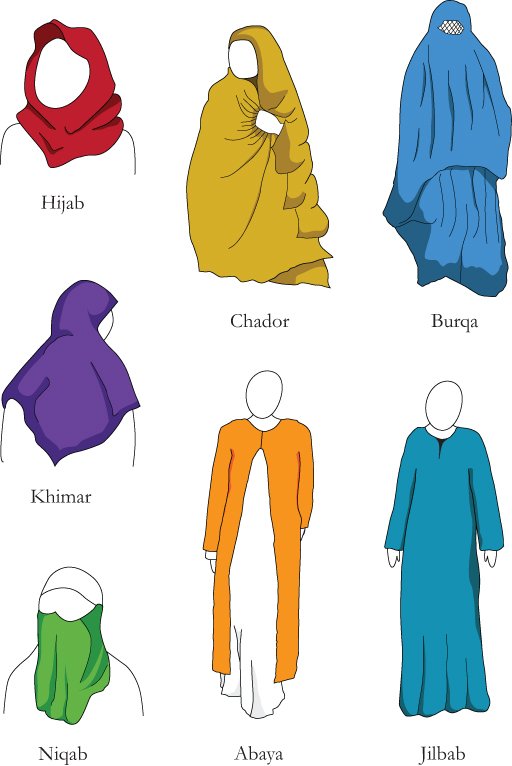
A jilbab is a type of modest outer garment worn by some Muslim women to cover their bodies in public spaces. It typically consists of a long and loose-fitting robe or cloak that covers the body from the neck to the ankles.
How is a jilbab different from a hijab?
While a hijab is a headscarf that covers the hair and neck, a jilbab is a full-body covering garment that extends from the head to the feet. The jilbab provides more coverage than a hijab.
Is wearing a jilbab mandatory in Islam?
Wearing a jilbab is a matter of personal choice and interpretation of Islamic teachings. Some Muslim women choose to wear a jilbab as an expression of their faith and modesty, while others may opt for different forms of modest attire.
How should a jilbab be worn?
To wear a jilbab, a woman typically puts it on over her regular clothing to cover her body. The jilbab should be loose-fitting and not form-fitting to maintain modesty. It is usually worn in public spaces or when in the presence of non-related males.
Final Thoughts
A jilbab is a loose-fitting outer garment worn by some Muslim women for the purpose of modesty and religious observance. It typically covers the entire body except for the face, hands, and feet. The jilbab plays a significant role in promoting modesty and self-respect within Islamic culture. Overall, the jilbab serves as a symbol of faith and a way for women to adhere to their religious beliefs while expressing their cultural identity freely.