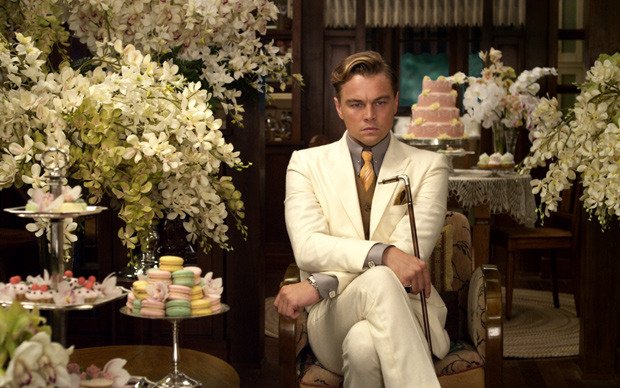
In “The Great Gatsby,” the clock symbolizes the relentless passage of time and the elusive nature of the American Dream. As an ever-present motif in Gatsby’s mansion, the clock serves as a reminder of the characters’ futile attempts to turn back the hands of time. It reflects Gatsby’s obsession with recapturing the past and Daisy, who is always just out of reach. Through the ticking of the clock, Fitzgerald masterfully conveys the theme of fleeting moments and the inevitable march towards an uncertain future.

Exploring the Symbolism of Clocks in The Great Gatsby
Welcome, young readers, to a fascinating journey through the enchanting world of F. Scott Fitzgerald’s classic novel, The Great Gatsby. Today, we delve into the intriguing symbolism of clocks within the story and unravel the hidden meanings they hold. So, put on your thinking caps and get ready to uncover the secrets that lie within the ticking hands of time!
The Clock at the Buchanan’s Mansion
As we step into the lavish world of the Buchanans, one cannot help but notice the prominent clock that adorns their grand mansion. This clock, with its intricate design and imposing presence, serves as more than just a timekeeper. In The Great Gatsby, the clock at the Buchanan’s mansion symbolizes the illusion of wealth and sophistication that the couple projects to the outside world.
Whenever the characters gather in the Buchanan’s home, the clock stands as a constant reminder of the superficiality and emptiness that lie beneath the facade of opulence. The clock’s unyielding tick-tock mirrors the relentless passage of time, highlighting the fleeting nature of material possessions and societal status.
The Green Light and the Clock
Interestingly, the clock at the Buchanan’s mansion shares a symbolic connection with another prominent motif in the novel – the green light at the end of Daisy’s dock. Both the green light and the clock represent the characters’ futile pursuit of happiness and fulfillment through external symbols of success.
While the green light symbolizes Gatsby’s unreachable dream of rekindling his past with Daisy, the clock at the Buchanan’s mansion symbolizes the unattainable nature of wealth and status in the eyes of the characters. Together, these symbols create a poignant commentary on the elusive nature of the American Dream and the disillusionment that often accompanies its pursuit.
Gatsby’s Clock in the Study
Now, let’s turn our attention to another significant clock in the novel – the one situated in Gatsby’s study. Unlike the ostentatious clock at the Buchanan’s mansion, Gatsby’s clock carries a sense of mystery and intrigue. As readers, we are drawn to this clock, wondering what secrets it may hold.
In The Great Gatsby, Gatsby’s clock symbolizes his obsession with the past and his inability to move forward. The clock’s hands seem frozen in time, much like Gatsby himself, who remains fixated on his idealized vision of Daisy and the life he believes they could have together.
The Illusion of Time in Gatsby’s World
Within Gatsby’s world, time becomes a distorted and malleable concept, shaped by his yearning for a reality that no longer exists. The clock in his study serves as a stark reminder of Gatsby’s reluctance to confront the passage of time and come to terms with the impermanence of his dreams.
As we witness Gatsby’s futile attempts to recreate the past and erase the years that have separated him from Daisy, the clock stands as a silent witness to his tragic downfall. In the end, Gatsby’s clock serves as a poignant symbol of the destructive power of nostalgia and the consequences of living in a perpetual state of longing for what once was.
The Symbolic Meaning of Clocks
Through the rich symbolism of clocks in The Great Gatsby, F. Scott Fitzgerald invites readers to reflect on the nature of time, memory, and the complexities of human desires. Clocks, with their ticking hands and inexorable movement, represent not just the passage of hours but also the inevitability of change and the transience of life itself.
As we navigate the intricate web of relationships and aspirations in the novel, the presence of clocks serves as a powerful reminder of the characters’ struggles to reconcile their past with their present reality. Whether it be the clock at the Buchanan’s mansion or the one in Gatsby’s study, each timepiece holds a unique significance that contributes to the overarching themes of the story.
Final Thoughts
As we come to the end of our exploration into the symbolism of clocks in The Great Gatsby, take a moment to ponder the role of time in our own lives. Just like the characters in the novel, we too are bound by the constraints of time and the inevitability of change.
So, the next time you hear the ticking of a clock or glimpse its hands moving steadily forward, remember the profound lessons that Fitzgerald’s masterpiece imparts – that time waits for no one, and our journey through life is defined not by the minutes on the clock but by the moments we choose to cherish and the dreams we dare to pursue.
Until next time, keep exploring the world of literature and uncovering the hidden treasures that await within the pages of a good book!
What Does A Clock Symbolize In Literature? – Tales And Texts
Frequently Asked Questions
What symbolism does the clock hold in “The Great Gatsby”?
The clock in “The Great Gatsby” is a powerful symbol representing the relentless passage of time and the inevitability of change. It serves as a reminder of mortality and the fleeting nature of life, highlighting the characters’ struggle to hold onto the past in the face of an uncertain future. The clock’s presence in key scenes, such as Gatsby’s frequent glances at it during his parties, underscores the theme of time slipping away and the characters’ inability to control or manipulate it.
How does the clock help portray Gatsby’s character?
The clock symbolizes Gatsby’s obsession with the past, particularly his desire to recreate a moment in time when he was with Daisy. By constantly checking the clock and trying to turn back time, Gatsby reveals his inability to accept the reality of the present and his relentless pursuit of an idealized version of the past. The clock also reflects Gatsby’s inner turmoil and his desperation to recapture a fleeting moment of happiness that has long since passed.
What role does the clock play in the overall theme of the novel?
In “The Great Gatsby,” the clock serves as a poignant symbol of the characters’ futile attempts to control time and preserve the past. Its presence underscores the overarching theme of disillusionment and the characters’ inability to escape the consequences of their actions. The constant ticking of the clock acts as a haunting reminder of the inevitability of change and the impossibility of recapturing lost moments, ultimately reinforcing the novel’s exploration of the American Dream and the fleeting nature of success and happiness.
Final Thoughts
In “The Great Gatsby,” the clock symbolizes the passage of time and the inevitability of change. It serves as a reminder that time is always ticking away, pushing the characters towards their fates. The clock’s presence emphasizes the theme of fleeting moments and the transient nature of life. Ultimately, what does the clock represent in “The Great Gatsby” is the inescapable march of time, highlighting the characters’ inability to hold onto the past.