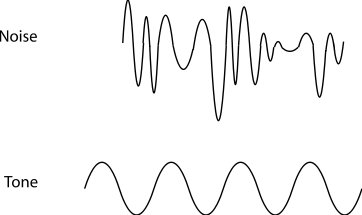
A tone in music is the specific pitch quality that defines a sound. It’s the building block of melody and harmony, setting the mood and conveying emotions. Understanding what kind of sound a tone represents is crucial in creating musical compositions that resonate with listeners and evoke desired feelings. Whether it’s a bright, cheerful tone or a dark, somber one, the nuances in sound color are what give music its depth and beauty. Let’s delve deeper into the significance of tones in music and explore the diverse sonic landscape they create.

A Tone in Music is What Kind of Sound?
Welcome, young music enthusiasts! Have you ever wondered what a tone in music really is and what kind of sound it represents? Well, buckle up as we embark on a musical journey to unravel the mystery behind tones in music and how they shape the melodies we love to listen to!
Understanding Tones in Music
Let’s start with the basics. In music, a tone refers to a specific sound with a definite pitch. Imagine playing a piano key or plucking a guitar string – the sound you hear is a tone. Tones are the building blocks of music, just like letters are the building blocks of words in a story.
The Different Types of Tones
Now, let’s dive into the various types of tones you may encounter in music:
1. Pitch
Pitch is a crucial element of tone in music. It determines whether a sound is high or low. Think of high-pitched sounds like a bird chirping or low-pitched sounds like a drumbeat. Tones can be classified based on their pitch, creating a rich tapestry of sounds in a musical composition.
2. Duration
Duration refers to how long a tone lasts. Some tones are short and quick, like a drumroll, while others are long and sustained, like a violin note. The duration of a tone adds texture and dynamics to music, creating variation and interest for the listener.
3. Timbre
Timbre is the unique quality of a tone that distinguishes it from others. It’s what makes a piano sound different from a guitar or a trumpet. Timbre adds color and character to music, allowing us to identify different instruments even if they play the same pitch.
How Tones Create Emotions in Music
Did you know that tones have the power to evoke emotions and tell stories without using words? Let’s explore how tones can influence our feelings:
1. Happy Tones
When you hear bright, cheerful tones in music, they can make you feel happy and uplifted. Think of a lively tune that makes you want to dance or sing along. These tones often have a fast tempo and major keys, creating a sense of joy and celebration.
2. Sad Tones
On the other hand, somber tones can evoke feelings of sadness or melancholy. Slow, mournful melodies with minor keys often convey a sense of loss or longing. These tones can touch our hearts and make us reflect on deeper emotions.
3. Exciting Tones
Exciting tones are full of energy and movement, getting your heart racing and your feet tapping. Fast-paced rhythms and dynamic changes in tone can create a sense of anticipation and thrill. These tones are perfect for action-packed scenes or thrilling musical moments.
Exploring Tones in Different Music Genres
Music comes in many styles and genres, each with its own unique tones and sounds. Let’s take a peek into some popular music genres and how they use tones to create their distinctive identities:
1. Classical Music
Classical music is known for its intricate melodies and rich tones. With a wide range of instruments and complex compositions, classical music explores the full spectrum of tones, from delicate to powerful. The use of different tones in classical music helps convey a wide range of emotions and stories.
2. Pop Music
Pop music often features catchy melodies and vibrant tones that are easy to sing along to. Bright, upbeat tones characterize many pop songs, creating an infectious energy that draws listeners in. The use of modern technology and production techniques enhances the tones in pop music, giving it a polished and contemporary sound.
3. Jazz Music
Jazz music is all about improvisation and innovation, with tones that can be sassy, smooth, or soulful. Jazz musicians play with tones in creative ways, using complex chords and harmonies to create a jazzy vibe. The expressive tones in jazz music allow for musical conversations between instruments, resulting in dynamic and engaging performances.
So, what is a tone in music? It’s not just a sound – it’s a language that speaks to our hearts and souls. Tones in music have the power to move us, inspire us, and transport us to different worlds. By understanding the nuances of tones, we can appreciate the beauty and artistry of music in all its forms. Keep listening, keep exploring, and let the tones guide you on a musical adventure you’ll never forget!
Until next time, keep the music playing and your ears open to the magical world of tones in music!
The Difference Between Pitch, Note, and Tone
Frequently Asked Questions
What defines a tone in music?
A tone in music refers to the specific pitch or frequency of a sound. It is the quality that distinguishes one sound from another, creating variety and richness in music.
How do tones influence the mood of a musical piece?
Tones play a crucial role in conveying emotions in music. Different tones can evoke various feelings, such as joy, sadness, excitement, or calmness, contributing to the overall mood of a musical composition.
Can a tone in music be described as bright or dark?
Yes, tones in music can be characterized as bright or dark based on their timbre or quality. Bright tones are typically higher in pitch and have a more vibrant, lively quality, while dark tones are lower in pitch and have a more somber or intense quality.
Final Thoughts
In conclusion, a tone in music is the quality that distinguishes a sound. It is the characteristic that defines the timbre of an instrument or voice. Understanding tone helps in conveying emotions and expressing musical ideas effectively. So, when we ask, “a tone in music is what kind of sound?”, we are referring to the unique attributes that make each sound distinctive. Paying attention to tone enhances our listening experience and appreciation of music.