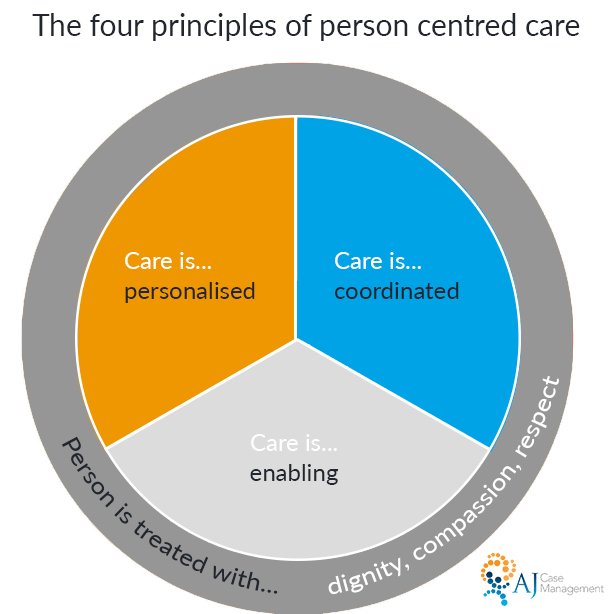
Person-centered care revolves around respect, individuality, choice, and empowerment—these are the four person-centered core values. Valuing each person’s unique experiences and preferences is crucial in providing effective care. Putting the person at the center of decision-making promotes dignity and autonomy. By embracing these core values, healthcare professionals foster meaningful connections and improve the overall well-being of those they serve. Understanding and embodying these values are essential for creating a supportive and inclusive healthcare environment.

Exploring the Four Person-Centered Core Values: A Guide to Understanding What Matters Most
Introduction to Person-Centered Approach
Imagine a world where every person is valued for who they are, where their thoughts, feelings, and experiences are at the center of everything. This world exists within the concept of person-centered care, an approach that focuses on the individual as the primary focus of attention and decision-making. At the core of person-centered care are four key values that guide how we interact with others and how we provide support and care. These values form the foundation of meaningful relationships and foster a sense of dignity, respect, and empowerment. Let’s delve into what these four person-centered core values are and why they are essential in creating a supportive and inclusive environment for all.
Empathy: Understanding and Sharing Feelings
One of the essential person-centered core values is empathy. Empathy means being able to understand and share the feelings of another person. It’s about stepping into someone else’s shoes and seeing the world from their perspective. When we practice empathy, we show others that we care about them and that their emotions matter to us.
In a person-centered approach, empathy plays a crucial role in building trust and connection with those we interact with. By listening actively and being present in the moment, we can better understand the needs and desires of the people we support. Empathy allows us to respond with kindness and compassion, creating a safe space for open communication and genuine relationships to flourish.
Ways to Practice Empathy:
– Listen attentively without interrupting.
– Validate the other person’s feelings by acknowledging them.
– Show compassion through your words and actions.
– Put yourself in the other person’s shoes to gain perspective.
Respect: Honoring Individual Choices and Preferences
Respect is another cornerstone of person-centered care. It involves honoring the autonomy and agency of each person, recognizing their right to make decisions that affect their own lives. Respecting others means valuing their choices, preferences, and beliefs, even if they differ from our own.
In a person-centered approach, respect is about treating each person with dignity and understanding that they have unique experiences and perspectives. By upholding respect as a core value, we empower individuals to express themselves authentically and make decisions that align with their values and goals. This fosters a sense of independence and self-worth, leading to improved overall well-being and quality of life.
Ways to Show Respect:
– Ask for the person’s input and involve them in decision-making.
– Honor their choices, even if you may not agree with them.
– Use inclusive language and avoid making assumptions.
– Celebrate their individuality and diversity.
Choice: Promoting Self-Determination and Control
Choice is a fundamental aspect of person-centered care that emphasizes the importance of promoting self-determination and control over one’s life. Encouraging individuals to make choices based on their preferences and values empowers them to take an active role in shaping their own experiences and outcomes.
In a person-centered approach, choice is about offering options and opportunities that allow individuals to express their autonomy and assert their independence. By providing a range of choices and supporting decision-making processes, we enable people to navigate their lives in ways that are meaningful and fulfilling to them. This fosters a sense of agency and empowerment, leading to increased self-confidence and self-efficacy.
Encouraging Choices:
– Present options and alternatives for decision-making.
– Support the person in weighing the pros and cons of different choices.
– Respect the decisions made by the individual, even if they differ from your own preferences.
– Encourage exploration and experimentation to help individuals discover their preferences.
Individuality: Recognizing Uniqueness and Diversity
Individuality is a core value of person-centered care that celebrates the uniqueness and diversity of each person. It acknowledges that every individual is different and possesses a range of talents, experiences, and identities that contribute to who they are as a whole.
In a person-centered approach, individuality is about recognizing and embracing the multifaceted aspects of a person’s identity, including their cultural background, personal interests, and life experiences. By valuing diversity and promoting inclusivity, we create a welcoming and accepting environment where everyone feels seen, heard, and respected for who they are.
Celebrating Individuality:
– Learn about the person’s background, interests, and values.
– Acknowledge and celebrate the unique qualities and strengths of each individual.
– Create opportunities for individuals to share their stories and experiences.
– Foster a sense of belonging and acceptance within the community.
Conclusion: Embracing Person-Centered Core Values in Everyday Interactions
Incorporating empathy, respect, choice, and individuality into our interactions with others can have a profound impact on the quality of care and support we provide. By embracing these core values, we create a culture of compassion, understanding, and empowerment that uplifts and honors the dignity of every individual.
Whether you are a caregiver, a friend, or a member of a community, practicing person-centered care can transform the way you engage with others and cultivate meaningful connections that enrich the lives of those around you. By prioritizing empathy, respect, choice, and individuality, we can create a world where everyone feels valued, heard, and empowered to live their lives to the fullest.
Person-Centred Care Guideline
Frequently Asked Questions
What are the four person-centered core values?
The four person-centered core values are respect, dignity, autonomy, and empathy. These values form the foundation of person-centered care approaches that prioritize the individual’s preferences, needs, and well-being in various settings, such as healthcare, education, and social services.
How do these core values contribute to person-centered care?
These core values contribute to person-centered care by emphasizing the importance of treating individuals with respect, acknowledging their dignity, supporting their autonomy, and showing empathy towards their feelings and perspectives. By incorporating these values into practice, professionals can enhance the quality of care and promote meaningful interactions with the individuals they serve.
Why is respect a key component of person-centered care?
Respect is a key component of person-centered care because it acknowledges the individual’s worth, uniqueness, and inherent rights. By showing respect, care providers validate the individual’s experiences, preferences, and decisions, fostering a collaborative and empowering relationship that is essential for delivering personalized and effective care.
Final Thoughts
In conclusion, person-centered care revolves around four core values. These core values are respect, autonomy, empathy, and collaboration. When healthcare professionals embody these values, they can truly prioritize the needs and preferences of the individual. By understanding ‘what are the four person-centered core values?’ and incorporating them into practice, providers can foster stronger relationships with patients and improve overall healthcare outcomes.