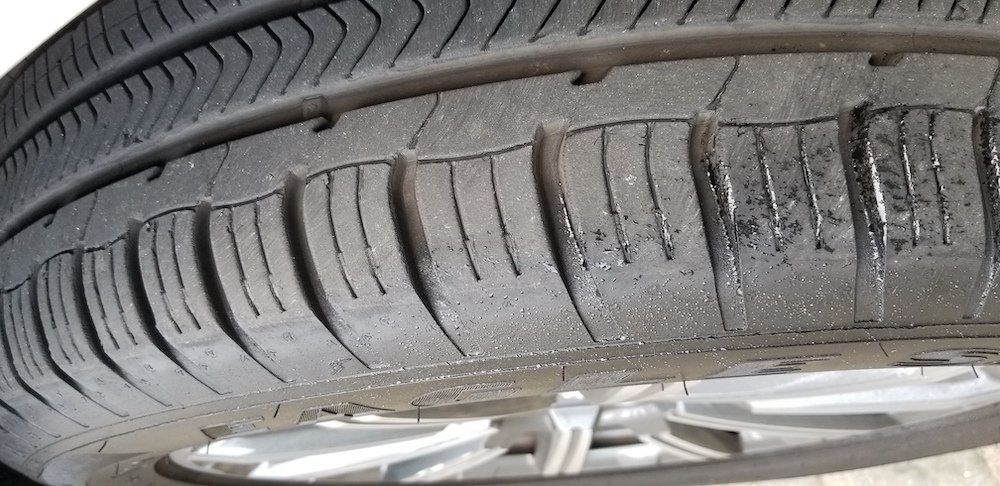
Feathering on tires is a common issue that many drivers encounter but often overlook. This tire wear pattern appears as uneven tread wear on the edges of the tire blocks, resembling the way feathers overlap. It can lead to noisy and uncomfortable driving experiences, affecting both performance and safety. Understanding the causes and implications of feathering on tires is crucial for maintaining roadworthy and efficient driving conditions. Let’s delve deeper into this phenomenon to grasp its impact and solutions for optimal tire maintenance and longevity.

Understanding Feathering on Tires: What You Need to Know
Welcome, young explorers of the road! Today, we’re going to delve into a fascinating topic that may sound a bit quirky but is actually quite important when it comes to your car’s tires: feathering. You may have heard this term before or perhaps encountered it while talking to grown-ups about car maintenance. But fear not, for I am here to guide you through the mysterious world of feathering on tires!
What is Feathering?
Feathering on tires is not as complicated as it may seem. In simple terms, feathering refers to the uneven wearing of tire treads. Imagine running your hand over the surface of a tire and feeling some parts smoother than others – that’s feathering! It can manifest as a series of small, smooth edges on the tire tread blocks, giving the appearance of feathers, hence the name.
Feathering typically occurs when the tires are not making proper contact with the road surface due to various factors we’ll explore in the following sections. It’s like the tires are wearing down in a slightly irregular manner, which can affect your car’s performance and safety.
Causes of Feathering
Now, let’s uncover the reasons behind this intriguing phenomenon.
Improper Wheel Alignment
One of the leading causes of feathering on tires is improper wheel alignment. Just like how we need to walk straight to avoid wearing out our shoes unevenly, your car’s wheels need to be aligned correctly to ensure even wear on the tires. When the wheels are not properly aligned, it can lead to feathering, among other issues.
Incorrect Tire Pressure
Another culprit behind feathering is incorrect tire pressure. Think of your tires as balloons – if they are overinflated or underinflated, they won’t make proper contact with the road, causing uneven wear and potentially leading to feathering.
Suspension Issues
Your car’s suspension system plays a vital role in ensuring a smooth ride and even tire wear. If your suspension is worn out or damaged, it can impact how your tires interact with the road, contributing to feathering.
Effects of Feathering
Feathering may seem like a harmless quirk, but it can have significant consequences if left unchecked.
Reduced Traction
Feathering can diminish the tire’s ability to grip the road properly, especially in wet or slippery conditions. This reduced traction can compromise your car’s handling and safety.
Noise and Vibration
Have you ever been in a car that makes a weird humming or vibrating noise? Feathering can cause such noises and vibrations, making your ride less pleasant and potentially indicating a problem that needs attention.
Poor Fuel Efficiency
Uneven tire wear, including feathering, can also lead to decreased fuel efficiency. Your car has to work harder to overcome the resistance caused by improperly worn tires, resulting in more fuel consumption.
Preventing and Addressing Feathering
Now that we’ve uncovered the mysteries of feathering, let’s explore how you can prevent it and deal with it effectively.
Regular Tire Inspections
It’s essential to inspect your tires regularly for signs of feathering or uneven wear. By catching the issue early, you can address it before it escalates into a more significant problem.
Proper Wheel Alignment
Ensuring your car’s wheels are correctly aligned is key to preventing feathering. Schedule regular wheel alignment checks as part of your car maintenance routine.
Correct Tire Pressure
Check your tire pressure regularly and adjust it according to the manufacturer’s recommendations. Proper tire pressure not only prevents feathering but also improves overall tire performance.
Suspension Maintenance
Don’t forget about your car’s suspension system – keeping it well-maintained can help prevent feathering and ensure a smooth ride for you and your tires.
Congratulations, young scholars! You’ve journeyed through the realm of feathering on tires and emerged wiser and more knowledgeable. Remember, taking care of your tires is crucial for your safety and the performance of your vehicle. By understanding what feathering is, its causes, effects, and how to prevent it, you’re already on the path to becoming a responsible car owner. Keep exploring, keep learning, and stay curious!
How to Inspect Tire Feathering: A Comprehensive Guide
Frequently Asked Questions
What causes feathering on tires?
Feathering on tires is typically caused by improper wheel alignment or suspension issues. When the wheels are not aligned correctly, the tire tread wears unevenly, leading to feathering along the edges of the tire.
How can I tell if my tires are feathering?
You can visually inspect your tires for feathering by running your hand along the tread. If you feel sharp edges or uneven wear patterns, it’s likely that feathering has occurred on your tires.
Can feathering on tires affect vehicle performance?
Yes, feathering on tires can impact the vehicle’s handling, stability, and fuel efficiency. It can also lead to increased road noise and vibration while driving.
How can I prevent feathering on my tires?
To prevent feathering on tires, it’s essential to regularly rotate and balance your tires, maintain proper wheel alignment, and address any suspension issues promptly. Ensuring proper tire inflation and driving carefully can also help prevent feathering.
Final Thoughts
Feathering on tires is a common wear pattern caused by improper alignment or suspension issues. Regular tire inspections can help detect feathering early. Addressing the underlying issues promptly will prevent further damage. Keeping tires properly inflated and rotated can also help minimize feathering. Regular maintenance and prompt action are key to preserving tire health and safety on the road.