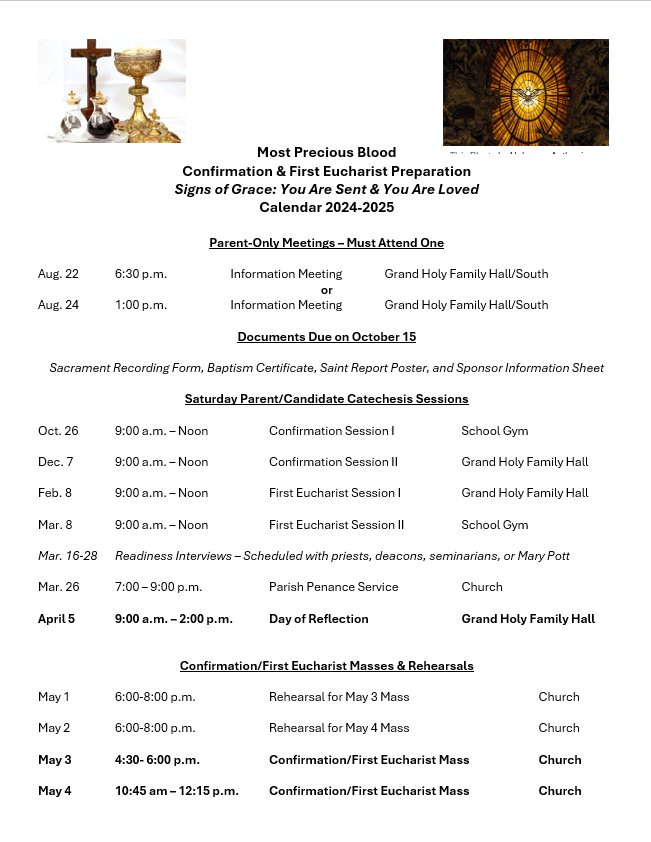
Communion typically comes before confirmation in the Catholic faith. While the sequence may vary between denominations, understanding the significance of each sacrament is key. Both communion and confirmation hold distinct meanings and play important roles in one’s spiritual journey. Delving into the traditions and teachings behind these sacraments sheds light on the order of their occurrence. Join us as we explore the question of what comes first: communion or confirmation.

What Comes First: Communion or Confirmation
Welcome, young minds, to an exciting journey where we explore the beautiful traditions of the Catholic faith. Today, we are going to unravel the mystery behind what comes first: Communion or Confirmation. Are you ready to dive into the world of sacraments and celebrations? Let’s embark on this enlightening quest together!
The Meaning of Communion and Confirmation
Before we delve into the order of Communion and Confirmation, let’s understand what these sacraments mean. Communion, also known as the Holy Eucharist, is the sacrament where we receive the body and blood of Jesus Christ in the form of bread and wine. It is a special moment of unity with God and our fellow believers.
On the other hand, Confirmation is the sacrament where we receive the gifts of the Holy Spirit. It is a powerful moment in our faith journey where we confirm the promises made during our baptism and strengthen our relationship with God and the Church.
The Order of Communion and Confirmation
Now, let’s tackle the big question: What comes first, Communion or Confirmation? In the traditional order of the Catholic Church, Communion usually comes before Confirmation. Most children receive their First Holy Communion around the age of 7-8, while Confirmation is typically received a few years later, around the age of 12-14.
First Holy Communion
First Holy Communion is a significant milestone in a Catholic child’s life. It is when they receive the body and blood of Christ for the first time in the form of consecrated bread and wine. This sacrament is often celebrated with great joy and preparation, as children learn about the significance of the Eucharist in their faith.
During the First Communion ceremony, children usually wear special attire, such as white dresses for girls and suits for boys. Family and friends gather to witness this important moment and offer their support and blessings to the child.
Confirmation
Confirmation is the sacrament where individuals confirm their faith and receive the gifts of the Holy Spirit, such as wisdom, understanding, and courage. It is a time of deepening one’s commitment to the Catholic Church and embracing the responsibilities of being a fully initiated member of the faith community.
During the Confirmation ceremony, candidates are anointed with chrism oil by a bishop or a priest. This anointing symbolizes the seal of the Holy Spirit and marks the candidates as soldiers of Christ, ready to spread the message of love and peace in the world.
Factors Influencing the Order
While the traditional order of Communion before Confirmation is commonly followed, there are factors that may influence the sequence of these sacraments in some cases. Let’s explore some of these factors:
Diocesan Guidelines
Each diocese may have its own guidelines regarding the order of Communion and Confirmation. Some dioceses may choose to celebrate Confirmation before First Communion, especially in regions where this practice is historically observed.
Age and Readiness
The age and readiness of the children or candidates can also play a role in determining the order of Communion and Confirmation. Some individuals may be ready to receive Confirmation at an earlier age, while others may benefit from receiving First Communion first to deepen their understanding of the Eucharist.
Pastoral Considerations
Pastoral considerations, such as the needs of the faith community and the availability of clergy, can also impact the order of these sacraments. Churches may adjust the sequence based on practical considerations and the spiritual well-being of the candidates.
As we conclude our exploration of what comes first: Communion or Confirmation, we have discovered the rich traditions and meanings behind these sacraments. Whether you receive Communion before Confirmation or vice versa, both are powerful moments in your faith journey.
Remember, the order of these sacraments is just one aspect of your spiritual growth. What truly matters is your commitment to living out the values of love, compassion, and faith in your daily life. Embrace the sacraments with an open heart and a willing spirit, and may your journey be filled with blessings and grace.
What Comes First, Communion Or Confirmation? – BibleMadeClear.com
Frequently Asked Questions
What is the order of sacraments in the Catholic Church?
In the Catholic Church, the usual order of receiving sacraments is Baptism, followed by First Holy Communion, and then Confirmation.
Why is First Communion before Confirmation?
First Holy Communion is usually received before Confirmation as it is seen as the foundation of the Christian life, where individuals partake in the Eucharist for the first time, while Confirmation strengthens and completes the grace given in Baptism.
Can someone receive Confirmation before First Communion?
While the typical order in the Catholic Church is First Communion before Confirmation, in certain circumstances, such as in the case of adult converts, Confirmation may be administered before receiving First Holy Communion.
Final Thoughts
In the Catholic Church, first communion typically comes before confirmation. While both sacraments are significant, the order in which they are received is important. First communion allows individuals to partake in the Eucharist, while confirmation strengthens their commitment to the faith. Understanding the sequence of first communion and confirmation can help individuals fully participate in the spiritual journey. Ultimately, what comes first – communion or confirmation – is a personal decision guided by faith and tradition.