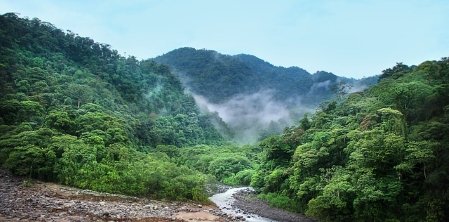
Wet, lush, and teeming with life, the rainforest is a wonder of nature. What are 10 abiotic factors in the rainforest that shape this unique ecosystem? From sunlight piercing the canopy to nutrient-rich soil supporting towering trees, each element plays a crucial role. Rainfall patterns, temperature variations, and humidity levels further influence the delicate balance of life within this biodiverse paradise. Let’s delve into the unseen forces that govern the vibrant tapestry of the rainforest.

What Are 10 Abiotic Factors in the Rainforest
Welcome to the lush and vibrant world of the rainforest! Rainforests are some of the most diverse and fascinating ecosystems on our planet, teeming with life in every corner. But have you ever wondered about the non-living elements that play a crucial role in shaping the rainforest environment? These are known as abiotic factors, and they are just as important as the living organisms that call the rainforest home.
1. Sunlight
One of the most vital abiotic factors in the rainforest is sunlight. The towering canopy of trees in the rainforest intercepts sunlight, creating a layered effect where different plant species thrive at various heights. Sunlight is essential for photosynthesis, the process by which plants convert light energy into food. Without sunlight, the entire food chain in the rainforest would collapse.
2. Temperature
Temperature plays a significant role in the rainforest ecosystem. The consistent warmth and high humidity of the rainforest create a perfect environment for a wide variety of plants and animals to thrive. The stable temperature also helps in the decomposition of organic matter, which is essential for nutrient recycling in the ecosystem.
3. Rainfall
As the name suggests, rainforests receive abundant rainfall throughout the year. Rainfall is crucial for the growth of plants and trees, providing them with the water they need to survive. The continuous cycle of rainfall also helps in regulating the temperature and humidity levels in the rainforest.
4. Soil Quality
The soil in the rainforest is rich and fertile, thanks to the constant decomposition of organic matter from fallen leaves, branches, and dead animals. This nutrient-rich soil supports the diverse plant life in the rainforest, providing them with essential minerals and nutrients to grow and thrive.
5. Wind
While not as obvious as sunlight or rainfall, wind plays a crucial role in the rainforest ecosystem. Wind helps in seed dispersal, pollination, and regulating temperature by creating airflow within the dense vegetation. It also aids in preventing fungal diseases by drying out plant leaves.
6. Altitude
Altitude is another important abiotic factor in the rainforest. As you move up or down a rainforest mountain, you’ll notice changes in temperature, humidity, and plant life. The altitude affects the type of vegetation that can grow in a particular area of the rainforest, creating unique microclimates.
7. Topography
The varied topography of the rainforest, including mountains, valleys, rivers, and plateaus, influences the distribution of plant and animal species. Different topographical features create diverse habitats within the rainforest, each with its own set of abiotic factors that shape the ecosystem.
8. Water Bodies
Water bodies such as rivers, streams, and ponds are essential abiotic factors in the rainforest. They provide freshwater for plants, animals, and insects, supporting life in the dense forest. Water bodies also serve as habitats for aquatic species and play a crucial role in nutrient cycling.
9. Natural Disasters
While not always considered beneficial, natural disasters like storms, floods, and landslides are part of the abiotic factors that shape the rainforest ecosystem. These events can cause disturbances but also play a role in rejuvenating the forest by creating open spaces for new growth and promoting biodiversity.
10. Air Quality
Air quality, including factors like oxygen levels, carbon dioxide concentration, and pollutants, is vital for the health of the rainforest ecosystem. Clean air is essential for the respiration of plants and animals, while the exchange of gases between the rainforest and the atmosphere influences climate patterns on a global scale.
Exploring the abiotic factors of the rainforest gives us a deeper understanding of the intricate web of interactions that sustain this incredible ecosystem. From sunlight and temperature to water bodies and natural disasters, each factor plays a unique role in shaping the biodiversity and beauty of the rainforest. Next time you venture into a rainforest, take a moment to appreciate these non-living elements that make this environment truly magical.
Biotic and Abiotic Factors
Frequently Asked Questions
What abiotic factors influence the rainforest ecosystem?
Abiotic factors in the rainforest include temperature, sunlight, water availability, soil composition, humidity levels, wind patterns, elevation, slope of the land, and natural disturbances like forest fires or storms. These factors play a crucial role in shaping the biodiversity and overall health of the rainforest.
How does temperature affect the rainforest environment?
Temperature is a critical abiotic factor in the rainforest as it influences the metabolism, growth, and reproductive cycles of plants and animals. Fluctuations in temperature can impact the distribution of species and the overall balance of the ecosystem.
Why is water availability important in the rainforest?
Water availability is vital for the survival of organisms in the rainforest. It supports plant growth, provides habitats for aquatic species, and regulates various physiological processes in animals. Seasonal rainfall patterns and drainage systems significantly impact the biodiversity of the rainforest.
Final Thoughts
In conclusion, the rainforest is characterized by various abiotic factors that play crucial roles in shaping its ecosystem. Ten key abiotic factors in the rainforest include temperature, sunlight, precipitation, soil quality, humidity, wind, topography, pH levels, nutrients, and oxygen availability. These factors collectively influence the diverse flora and fauna found in this rich and complex environment. Understanding the interactions and impact of these abiotic factors is essential for conservation efforts and sustainable management of the rainforest.