A bow represents much more than an archery tool. It symbolizes strength, focus, and precision. A simple yet powerful object, a bow carries a deep significance across various cultures and contexts. From its role in warfare to its presence in art and literature, the bow embodies both elegance and purpose. Join us as we delve into the rich symbolism behind this timeless instrument. Explore the diverse meanings and interpretations of what does a bow represent. Let’s unravel the mysteries and significance woven into this seemingly humble object.

What Does a Bow Represent: Unveiling the Symbolism
Welcome to our exploration of the fascinating world of bows and their symbolic meanings. Bows have been a significant part of human history, appearing in various forms and cultures, each carrying its unique representation. Let’s delve into the enchanting symbolism behind this simple yet powerful tool.
The Basics of a Bow
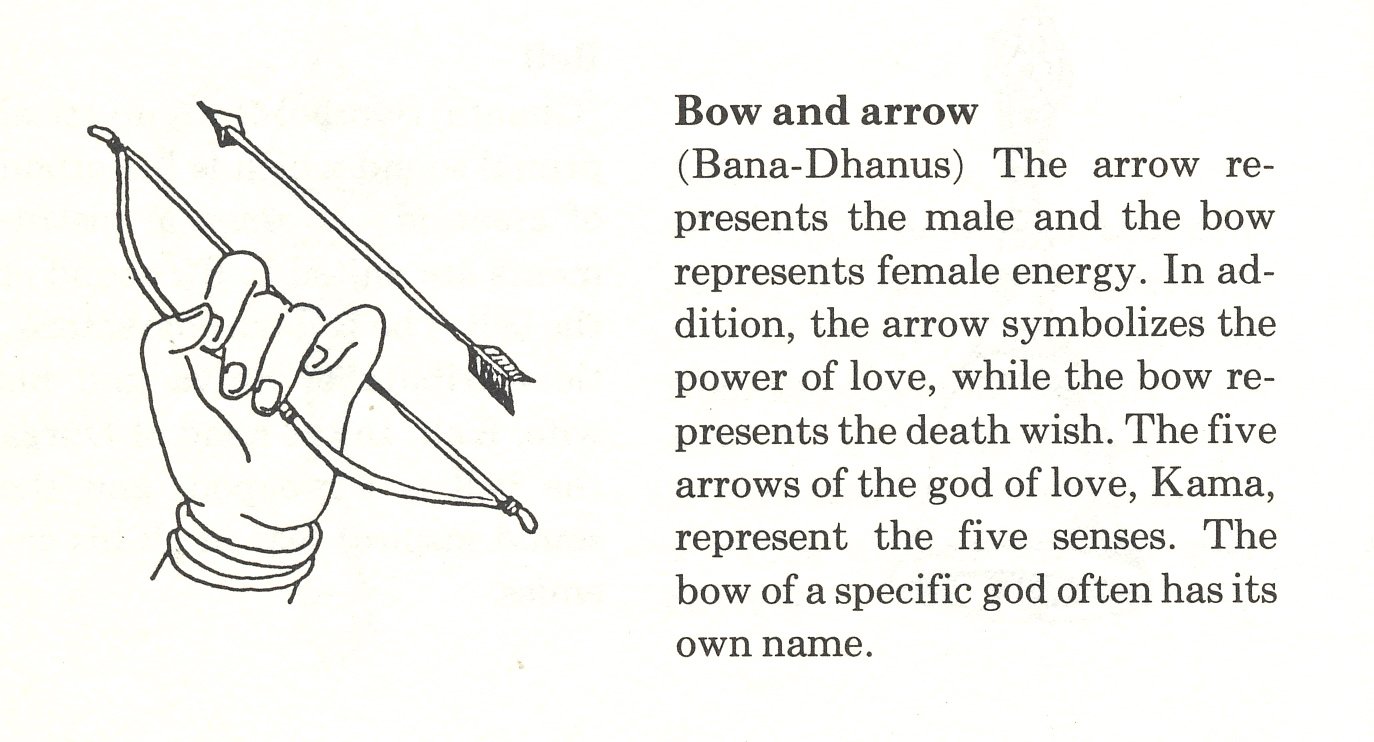
Before we dive into the symbolic meanings, let’s understand what a bow is. A bow is a curved piece of material, typically wood, with a taut string connecting its two ends. When the string is drawn back and released, it propels an arrow forward. Bows have been used for hunting, warfare, and sport throughout history.
The Symbolism of Strength
One of the key representations of a bow is strength. Just like the bow needs to be strong and flexible to launch an arrow with precision and power, a person’s inner strength is crucial in facing life’s challenges. The image of a taut bow ready to release an arrow symbolizes the ability to overcome obstacles and reach goals.
Historical Perspectives
Ancient cultures often associated the bow with deities or heroes who possessed exceptional strength and courage. In Greek mythology, the god Apollo was often depicted with a bow, symbolizing his prowess in archery and warfare. The bow became a symbol of divine power and protection.
Modern Interpretations
In modern times, the bow is still seen as a symbol of strength, but it has also taken on new meanings. In sports like archery, the bow represents focus, precision, and determination. Athletes who master the bow demonstrate the importance of discipline and skill in achieving success.
Symbol of Unity and Connection
Another profound symbolism of the bow is its representation of unity and connection. Just as the parts of a bow – the curved body and the string – come together to create a functional tool, the bow symbolizes the unity of different elements working together for a common purpose.
Cultural Significance
In many cultures, the act of sharing a bow, such as in a bow and arrow ceremony, signifies a bond between individuals or communities. The gesture of offering a bow can symbolize respect, friendship, or a shared goal, emphasizing the importance of connection and cooperation.
Personal Relationships
In personal relationships, the bow can also symbolize the bond between two people. Just as the string brings the bow together, relationships are strengthened by communication, trust, and support. The image of a bow can serve as a reminder of the power of unity in maintaining strong connections.
Symbol of Protection and Guidance
Additionally, the bow is often viewed as a symbol of protection and guidance. In many mythologies and folklore, heroes and gods are depicted wielding bows to defend against enemies and navigate challenges. The bow represents the ability to ward off harm and find direction in difficult times.
Mythical Representations
Mythical figures like Artemis, the Greek goddess of the hunt, are often depicted with bows to symbolize their role as protectors and guides. The bow becomes a tool not just for defense but also for leading others towards a brighter future, symbolizing the importance of wisdom and foresight.
Personal Empowerment
On a personal level, the image of a bow can inspire us to protect ourselves and others, as well as to navigate life’s challenges with courage and resilience. By embodying the qualities of a bow – strength, unity, and protection – we can find the guidance we need to overcome obstacles and achieve our goals.
In conclusion, the bow holds a wealth of symbolic meanings that resonate across cultures and time periods. Whether representing strength, unity, protection, or guidance, the bow serves as a powerful metaphor for the human experience. As we reflect on what a bow represents, let us draw inspiration from its rich symbolism to navigate our own journeys with purpose and resilience.
The Bow of Revelation 6:2 So What is the Bow? What Does This Bow Represent?
Frequently Asked Questions
What symbolism is associated with a bow?
A bow is often seen as a symbol of unity, strength, and connection. It can represent the coming together of two elements or forces to create harmony and balance.
How is a bow typically interpreted in various cultures?
In different cultures, a bow can have varying meanings. For example, in Japanese culture, a bow is a sign of respect and humility, whereas in Native American traditions, a bow is a symbol of peace and friendship.
What emotions or sentiments can a bow convey?
A bow can convey different emotions depending on the context. It may signify love, admiration, gratitude, or even submission. The act of bowing is often associated with showing reverence or appreciation.
Can a bow symbolize anything beyond physical gestures?
Yes, a bow can also symbolize inner strength, resilience, and determination. It can represent the ability to bend without breaking, adapting to challenges, and staying grounded in the face of adversity.
Final Thoughts
A bow symbolizes honor, respect, and gratitude. It serves as a gesture of appreciation across various cultures. Whether used in ceremonies, gift-giving, or as a decorative element, a bow represents a sign of reverence. Its simplicity captures the essence of expressing thanks and admiration. Embracing the meaning behind what a bow represents can deepen connections and foster goodwill in personal and professional relationships.