Dogs communicate through a variety of sounds, but when it comes to capturing their vocal expressions in words, the iconic “woof” is perhaps the most recognized. It’s a simple yet profound representation of the way our furry companions express themselves. And beyond just the traditional “woof,” there’s a whole symphony of barks, growls, and whines that convey their emotions and needs. Understanding what sound does a dog make in words can deepen our bond with them and enhance our ability to meet their needs. Let’s delve into this fascinating aspect of canine communication.

Unraveling the Mystery: What Sound Does a Dog Make in Words?
Welcome, young readers! Have you ever wondered what sound a dog makes in words? It’s a question that has intrigued many of us, from children to adults. In this fun and informative blog post, we will delve into the fascinating world of onomatopoeia and explore the various sounds that people use to describe a dog’s bark. So, grab a seat, and let’s embark on this exciting journey together!
The Bark of a Dog: Woof, Woof, Woof!
Have you ever heard a dog bark? It’s a sound that is hard to miss! When a dog barks, it often goes, “Woof, woof, woof!” This onomatopoeic word mimics the sharp and repetitive sound that dogs make when they bark. The next time you hear a dog barking, try saying “woof” out loud, and see if you can match the sound!
Exploring Different Dog Sounds:
While “woof” is the most common onomatopoeic word used to describe a dog’s bark, did you know that there are other sounds that dogs can make? Let’s take a closer look at some of these variations:
1. Arf, Arf:
Some dogs have a more high-pitched bark that sounds like “arf, arf.” This sound is often associated with smaller breeds or puppies. When a dog goes “arf, arf,” it may be trying to get your attention or express excitement.
2. Ruff, Ruff:
For larger dogs with deep voices, their bark may sound more like “ruff, ruff.” This powerful sound can be intimidating to some but endearing to others. When you hear a dog go “ruff, ruff,” it might be a signal that they are guarding their territory.
3. Bow-Wow:
Another popular onomatopoeic word for a dog’s bark is “bow-wow.” This sound is often associated with playful or happy barks. When a dog is feeling joyful or excited, you might hear them go “bow-wow” as they prance around with glee.
The Language of Dogs:
Dogs communicate not just through barks but also through other vocalizations. While barking is their most common form of expression, dogs can make a wide range of sounds to convey different messages:
1. Whimpering:
When a dog whimpers, it typically indicates that they are feeling anxious, scared, or in pain. The sound of whimpering is softer and more plaintive than barking, signaling a dog’s distress.
2. Howling:
Have you ever heard a dog howl at the moon? Howling is a primal and haunting sound that dogs use to communicate over long distances. Wolves, who are ancestors of domestic dogs, also howl to communicate with their pack members.
3. Growling:
Growling is a warning sound that dogs use to show aggression or assert dominance. When a dog growls, it’s best to give them space and not provoke them further. Growling is a dog’s way of saying, “Back off!”
Fun Facts About Dog Sounds:
Here are some fascinating facts about the sounds that dogs make:
1. Each Dog Has a Unique Bark:
Just like humans have distinct voices, each dog has a unique bark that is specific to them. By paying attention to the nuances of your dog’s bark, you can learn to understand their different moods and needs.
2. Dogs Bark in Different Languages:
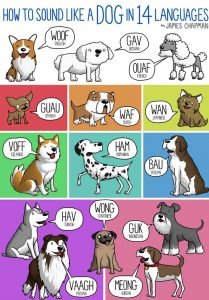
Did you know that dogs bark differently in different languages? While English speakers may say “woof,” in Japan, dogs are said to go “wan wan.” It’s a fun reminder of the diversity of language and communication, even among our furry friends!
Conclusion:
So, what sound does a dog make in words? From “woof” to “arf” to “bow-wow,” dogs have a rich vocabulary of sounds that they use to communicate with us and each other. By listening closely to the sounds that dogs make, we can deepen our bond with these loyal and loving companions. The next time you hear a dog bark, try to decipher the message behind the sound, and you’ll be one step closer to understanding the language of dogs!
I hope you enjoyed this playful exploration of dog sounds. Remember, the next time you see a furry friend wagging their tail and barking, you’ll have a better appreciation for the diverse sounds they make. Until next time, happy barking!
11 Sounds Dogs Make and What They Mean
Frequently Asked Questions
What is the sound a dog makes in words?
In English, the sound that a dog makes is commonly written as “woof” or “bark.” These onomatopoeic words are used to describe the vocalization of a dog.
Are there variations in how people represent the sound of a dog?
Yes, there are variations. Some people may write the sound of a dog as “bow-wow,” “ruff,” or “arf.” These variations exist based on regional differences, personal interpretation, or the specific breed of the dog.
How do different languages represent the sound of a dog?
Other languages also have their own onomatopoeic words to represent the sound of a dog. For example, in Japanese, it is often described as “wan wan,” while in Spanish, it’s often written as “guau guau.”
Can the sound of a dog vary depending on its emotions or intentions?
Yes, the sound a dog makes can vary based on its emotions and intentions. Dogs may bark sharply when they sense danger or excitement, while they may emit softer, more playful barks during times of joy or playfulness.
Final Thoughts
In conclusion, understanding what sound does a dog make in words is essential for effective communication with our furry friends. Dogs communicate through barking, growling, whining, and howling. By recognizing and interpreting these sounds, we can better comprehend their needs and emotions. Learning to associate these vocalizations with specific moods or desires deepens the bond between humans and dogs. Mastering the language of dog sounds enhances our ability to care for and connect with our beloved pets.