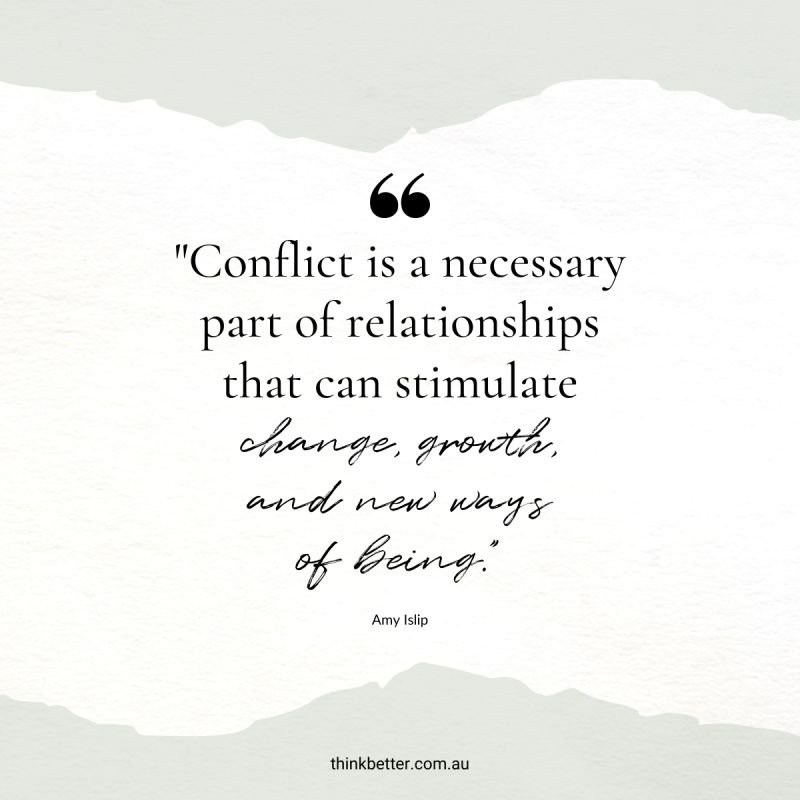
Necessary conflict is the catalyst for growth – a vital component that propels us forward into uncharted territories of understanding and development. It sharpens our perspectives, challenges our preconceptions, and stirs our creativity. Conflict, when viewed through the lens of necessity, becomes a powerful force for positive change. Embracing necessary conflict means welcoming discomfort, uncertainty, and friction as essential elements in the journey towards progress. It forces us to confront our differences, foster empathy, and seek common ground amidst diverse viewpoints. This article delves deep into the essence of what is necessary conflict, unraveling its transformative potential.

Understanding What Is Necessary Conflict
Welcome, young readers, to an exciting journey into the world of conflict! Have you ever wondered why people argue or fight? Conflict can be a tricky thing to understand, but did you know that not all conflicts are bad? In fact, some conflicts are necessary for growth and learning. Let’s dive in and explore the concept of necessary conflict together!
What Is Conflict?
Conflict is when two or more people have different opinions, ideas, or feelings about something. It can happen between friends, family members, classmates, or even countries! Conflict can range from small disagreements to big arguments, and it’s a natural part of life. But why does conflict happen? Let’s find out!
Types of Conflict
There are different types of conflict, such as:
1. Internal Conflict:
This is when you have a battle going on inside yourself. For example, deciding between two things you want to do can create internal conflict. It’s like having a little argument in your own mind!
2. Interpersonal Conflict:
Interpersonal conflict happens between people. It could be with a friend who wants to play a different game than you or with a sibling over who gets the last cookie. These conflicts involve other people and their opinions or actions.
3. Global Conflict:
On a bigger scale, global conflicts involve countries or groups of people. These conflicts can be about land, resources, or beliefs. Understanding how conflicts work on different levels helps us see the bigger picture.
What Is Necessary Conflict?
Now, let’s get to the exciting part—necessary conflict! Necessary conflict is a type of conflict that is essential for positive outcomes. It might sound strange, but sometimes, arguing or disagreeing can lead to good things. Here’s why:
1. Growth and Learning:
When we face challenges or differences of opinion, we have to think hard, come up with solutions, or see things from another perspective. This process helps us grow, learn new things, and improve our problem-solving skills.
2. Building Relationships:
Believe it or not, going through conflicts with others can actually strengthen relationships. When we work through disagreements together, we learn to listen, communicate better, and understand each other’s feelings. This can make our bonds with others even stronger!
3. Creativity and Innovation:
Some of the greatest ideas and inventions have come from conflicts or disagreements. When people challenge each other’s thoughts, it can spark creativity and lead to new and innovative solutions. So, don’t be afraid to speak up and share your ideas!
Examples of Necessary Conflict
Let’s look at a few examples to understand how necessary conflict plays out in everyday life:
1. Classroom Discussions:
During a classroom discussion, students might have different opinions about a story or a math problem. By sharing their thoughts and debating different viewpoints, they can learn from each other and see things in a new light.
2. Team Projects:
When working on a team project, group members might have conflicting ideas on how to approach a task. By discussing their ideas and finding common ground, they can come up with a stronger plan together. This collaboration helps them succeed as a team.
3. Family Decisions:
In a family, conflicts can arise when making decisions about vacations, chores, or family rules. By talking openly about their feelings and concerns, family members can reach compromises and understand each other better. This leads to a happier and more harmonious household.
So, young explorers, remember that not all conflicts are bad! Necessary conflict can help us grow, learn, build relationships, and spark creativity. The key is to approach conflicts with an open mind, listen to others, and work together to find solutions. Embrace the challenges, learn from them, and watch how necessary conflict can lead to amazing outcomes in your life!
Keep exploring, keep learning, and don’t be afraid to face the conflicts that come your way. They might just be the stepping stones to something wonderful!
How To Grow From Conflict And Why It's Necessary
Frequently Asked Questions
What are necessary conflicts in a team setting?
In a team setting, necessary conflicts are disagreements or differences of opinion that arise during discussions or decision-making processes. These conflicts can be beneficial as they encourage diverse perspectives and lead to better problem-solving and innovation.
How can necessary conflict improve team dynamics?
Necessary conflict can improve team dynamics by fostering open communication, encouraging active participation, and promoting a culture of constructive feedback. When managed effectively, conflicts can strengthen relationships within the team and enhance overall performance.
What strategies can be used to address necessary conflicts in a constructive manner?
To address necessary conflicts constructively, team members can practice active listening, seek to understand different viewpoints, and focus on finding common ground. Encouraging open dialogue, setting clear expectations, and collaborating on solutions can help navigate conflicts effectively.
Final Thoughts
Conflict is often viewed negatively, but some conflicts are essential for growth and progress. Necessary conflict arises when differing perspectives challenge the status quo. It sparks creativity, innovation, and deeper understanding. Embracing what is necessary conflict can lead to improved communication, stronger relationships, and better decision-making. Conflict should not always be avoided but managed constructively for positive outcomes.