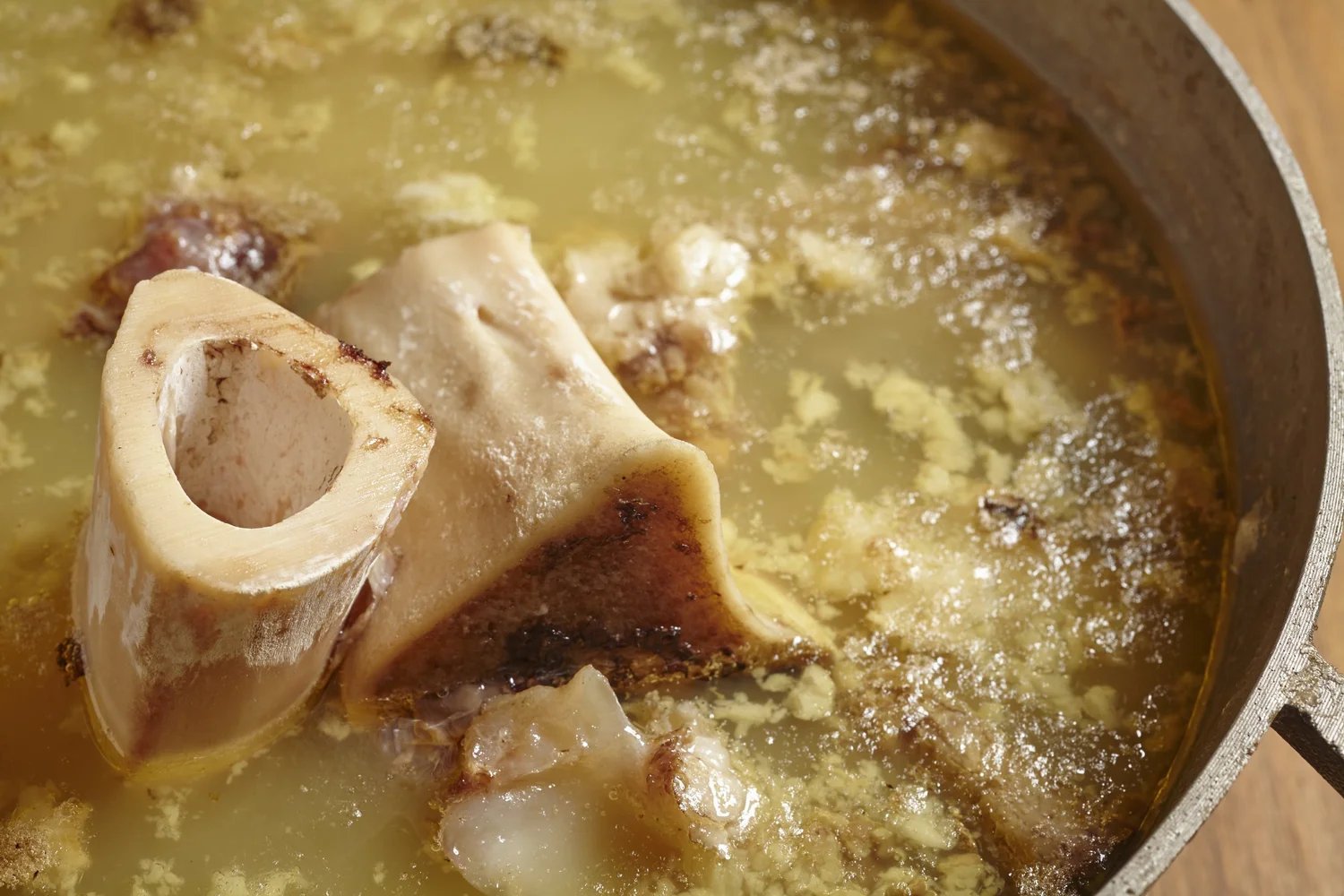
A soup bone is not just a simple ingredient; it’s the soul of a hearty broth. Rich in flavor and nutrients, these bones play a vital role in creating that comforting and satisfying bowl of soup we all crave. They are more than mere support, they are the essence of a good soup, infusing every spoonful with depth and warmth. Let’s dive into the world of soup bones and uncover the secrets behind their magic.

What is a Soup Bone: Everything You Need to Know
Welcome to our guide on soup bones! If you’ve ever enjoyed a warm bowl of flavorful soup, chances are you’ve tasted the delicious essence that comes from using a soup bone. But what exactly is a soup bone, and why is it such a crucial ingredient in creating hearty and nutritious soups? In this article, we’ll delve into the world of soup bones, exploring their types, benefits, and how they enhance the overall taste of your favorite soups. So, let’s dive in and uncover the secrets behind these culinary treasures!
The Basics of Soup Bones
Soup bones, also known as marrow bones or stock bones, are pieces of animal bones typically used to add flavor, nutrients, and body to soups, broths, and stocks. These bones can come from a variety of animals, including beef, pork, chicken, and even fish. The richness and depth of flavor that soup bones bring to a simmering pot of liquid are unmatched, making them a staple in many traditional cuisines around the world.
Types of Soup Bones
There are several types of soup bones, each offering its own unique qualities to the broth or stock. Here are some common types of soup bones:
Beef Bones
Beef bones are prized for their rich flavor and collagen content, which lends a velvety texture to soups and stews. The marrow inside beef bones adds a savory depth that slowly infuses into the broth as it simmers, creating a robust and hearty base for various dishes.
Pork Bones
Pork bones are often used in Asian cuisines for their mild yet distinct flavor. Pork bones release a delicate sweetness when cooked slowly, making them an excellent choice for enhancing the taste of soups and broths.
Chicken Bones
Chicken bones, including the carcass and wings, are popular for their light and savory flavor profile. The gelatin from chicken bones adds body and silkiness to chicken soups, making them comforting and nourishing.
The Benefits of Using Soup Bones
Now that we know what soup bones are and the different types available, let’s explore the benefits of incorporating them into your cooking:
Rich Flavor Profile
Soup bones provide a depth of flavor that enhances the overall taste of your soups. The slow simmering process allows the essence of the bones to infuse into the broth, creating a rich and savory base for your favorite recipes.
Nutrient-Rich Broth
One of the key benefits of using soup bones is the nutrient-dense broth they produce. The bones release essential minerals like calcium, magnesium, and phosphorus, as well as collagen and gelatin, which have been linked to numerous health benefits, including joint health and improved digestion.
Economical and Sustainable
Using soup bones is a cost-effective way to maximize the flavor and nutrition of your dishes. By making use of leftover bones from meals or purchasing inexpensive cuts from your local butcher, you can create delicious soups and stocks while reducing food waste.
How to Use Soup Bones in Cooking
Now that you understand the importance of soup bones, let’s discuss how to incorporate them into your culinary creations:
Roasting for Enhanced Flavor
Before adding soup bones to your pot, consider roasting them in the oven to deepen their flavor. Roasting caramelizes the bone and marrow, resulting in a richer and more complex taste profile in your soups.
Simmering for Hours
To extract the maximum flavor and nutrients from soup bones, it’s essential to simmer them over low heat for an extended period. This slow cooking process allows the collagen and gelatin in the bones to break down, enriching the broth with a silky texture and savory goodness.
Straining and Storing
Once your soup or broth is ready, strain out the bones and any other solids to achieve a smooth and clear liquid. You can then store the finished product in the refrigerator for immediate use or freeze it for future meals.
Enhancing Soups with Soup Bones
Whether you’re making a classic chicken noodle soup, a hearty beef stew, or a delicate fish broth, using soup bones can take your culinary creations to the next level. The depth of flavor and nutrient density that soup bones provide can transform a simple dish into a gourmet experience.
In conclusion, soup bones are not just culinary ingredients; they are the essence of flavorful and nourishing soups. By understanding what soup bones are, their benefits, and how to use them in your cooking, you can elevate your dishes to new heights. So, next time you’re planning to make a pot of soup, don’t forget to include some soup bones for that extra touch of deliciousness!
We hope this guide has shed light on the world of soup bones and inspired you to experiment with these culinary treasures in your own kitchen. Happy cooking!
Beef Bone Soup #SoupSeason | CaribbeanPot.com
Frequently Asked Questions
What is a soup bone?
A soup bone is a bone, often containing marrow, used to add flavor and nutrients to soups, broths, and stews. It is typically obtained from beef, pork, or other meat sources.
How do you use soup bones in cooking?
To use soup bones in cooking, you can simmer them in water along with other ingredients like vegetables and herbs to create a rich and flavorful broth. The slow cooking process helps extract nutrients and flavors from the bones.
What are the benefits of using soup bones in recipes?
Using soup bones in recipes adds depth of flavor, richness, and nutrients to the dish. The bones release collagen, minerals, and vitamins during cooking, enhancing the nutritional value of the soup or broth.
Can you reuse soup bones?
Yes, you can reuse soup bones for making multiple batches of broth or soup. After the first use, simply remove any remaining meat and vegetables, store the bones properly in the refrigerator or freezer, and use them again when needed.
Final Thoughts
In conclusion, a soup bone is a flavorful and nutrient-rich ingredient used to enhance the taste of soups and broths. It typically comes from beef, chicken, or pork, adding depth and richness to the dish. Using a soup bone creates a hearty base for soups, providing essential minerals and collagen for a nourishing meal. So, next time you’re preparing a soup, consider adding a soup bone to elevate the flavor and nutritional value of your dish.