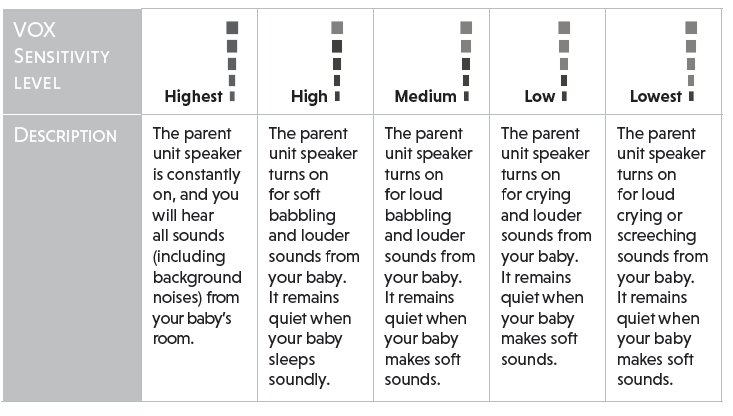
Vox sensitivity refers to the measure of a microphone’s responsiveness to sound. It determines how well a microphone can pick up various nuances in the human voice. Understanding what is vox sensitivity can greatly impact audio quality in recordings and live performances. A higher vox sensitivity translates to a more detailed and accurate sound capture, while a lower sensitivity may result in missed details. It’s crucial to consider vox sensitivity when choosing a microphone for your needs. Let’s delve deeper into this important aspect of audio technology.

Understanding Vox Sensitivity: How Your Voice Works
Welcome, young learners! Have you ever wondered why some people can sing really loud without even trying, while others have a soft voice that’s hard to hear? Well, today we’re going to explore the fascinating world of “vox sensitivity” to help you understand how your voice works and why it matters!
Exploring Vox Sensitivity
First things first, let’s break down what “vox sensitivity” actually means. Vox sensitivity refers to how sensitive or responsive our vocal cords are to different levels of air pressure and muscle tension when we speak or sing. In simpler terms, it’s like your vocal cords’ superpower that allows you to control the volume and pitch of your voice.
The Role of Vocal Cords
Now, let’s talk about your vocal cords. Imagine them as tiny, stretchy bands inside your throat that vibrate when air from your lungs passes through them. These vibrations create sound, which then resonates to produce your voice. The amazing thing is that your vocal cords can adjust their tension and position to change the pitch and volume of your voice – that’s where vox sensitivity comes into play!
Volume Control
Think of vox sensitivity as your volume control knob. When your vocal cords are more sensitive, you can produce louder sounds with less effort. On the other hand, if your vocal cords are less sensitive, you may have a softer voice and need to exert more energy to be heard clearly. It’s like having a built-in amplifier in your throat!
Pitch Perfect
Another fascinating aspect of vox sensitivity is how it affects your pitch – how high or low your voice sounds. By adjusting the tension and length of your vocal cords, you can hit high notes like a soaring bird or go low like a rumbling thunderstorm. Vox sensitivity helps you fine-tune these pitch variations for singing, talking, or even whispering!
Factors Affecting Vox Sensitivity
Now, let’s dig deeper into what influences your vox sensitivity. Various factors can impact how your vocal cords respond to air pressure and muscle tension, including:
- Anatomy: The size and shape of your vocal cords and throat can influence how sensitive they are to vibrations.
- Health: Staying hydrated, avoiding irritants, and practicing good vocal hygiene can improve your vox sensitivity.
- Practice: Just like any muscle, regular vocal exercises and singing practice can enhance your vox sensitivity over time.
- Emotions: Your mood and feelings can also impact your voice’s sensitivity, affecting how you communicate with others.
Why Vox Sensitivity Matters
Now, you might be wondering, “Why does vox sensitivity matter?” Well, young readers, vox sensitivity plays a crucial role in how we express ourselves, connect with others, and even stay healthy! Here are a few reasons why vox sensitivity is essential:
Communication:
Whether you’re sharing stories with friends, asking questions in class, or singing your favorite song, vox sensitivity helps you convey your message clearly and effectively. It’s like having a magical tool that makes your words resonate with power!
Emotional Expression:
Have you ever noticed how your voice changes when you’re happy, sad, or scared? That’s because vox sensitivity reflects your emotions and helps you express them through the tone and intensity of your voice. It’s like a musical instrument that mirrors your feelings!
Health and Well-being:
Keeping your vocal cords healthy and maintaining good vox sensitivity is essential for overall well-being. By practicing proper vocal techniques, staying hydrated, and avoiding strain, you can prevent vocal fatigue and ensure that your voice stays strong and vibrant!
Enhancing Your Vox Sensitivity
So, how can you enhance your vox sensitivity and make the most of your incredible voice? Here are a few tips to help you unlock your vocal potential:
- Warm-Up: Before singing or speaking extensively, warm up your voice with gentle exercises to prepare your vocal cords for action.
- Stay Hydrated: Drinking plenty of water helps keep your vocal cords lubricated and your voice clear and smooth.
- Practice Regularly: Whether it’s singing along to your favorite tunes or reciting poems, regular practice can improve your vox sensitivity and strengthen your voice.
- Listen and Learn: Pay attention to how others use their voices expressively and try to incorporate those techniques into your own communication style.
Congratulations, young learners! You’ve now unlocked the secret behind vox sensitivity and discovered how your voice works its magic. Remember, your voice is a powerful tool that can captivate, inspire, and connect with others in amazing ways. So, embrace your vox sensitivity, explore the endless possibilities of your voice, and let your unique sound shine bright!
Keep speaking up, singing out, and expressing yourself with confidence – the world is listening to your voice, and it’s truly special!
What is VOX Sensitivity? – VTech RM7754HD RM7754-2HD RM7764HD RM7764-2HD
Frequently Asked Questions
What factors determine vox sensitivity?
Vox sensitivity, also known as voice activation sensitivity, is typically determined by the microphone’s settings and the software or device controlling the voice activation feature. Adjusting the sensitivity level can affect how easily or frequently the microphone picks up on voice commands or sounds.
How does vox sensitivity impact voice-controlled devices?
Vox sensitivity plays a crucial role in voice-controlled devices as it dictates how responsive the device is to voice commands. Higher sensitivity may lead to the device responding to even faint sounds, while lower sensitivity may require louder or closer voices to trigger a response.
Can vox sensitivity be adjusted on most devices?
Many devices that feature voice activation capabilities allow users to adjust the vox sensitivity settings to suit their preferences or environment. This adjustment can help tailor the device’s responsiveness to the user’s specific needs.
Final Thoughts
In conclusion, vox sensitivity refers to the ability of a microphone to pick up and respond to sound pressure levels. It is a crucial factor in determining the accuracy and reliability of vocal recordings. Understanding vox sensitivity is essential for achieving high-quality audio production. Mastering this concept allows for precise control over vocal tones and nuances. To excel in vocal recording, a keen awareness of vox sensitivity is imperative.