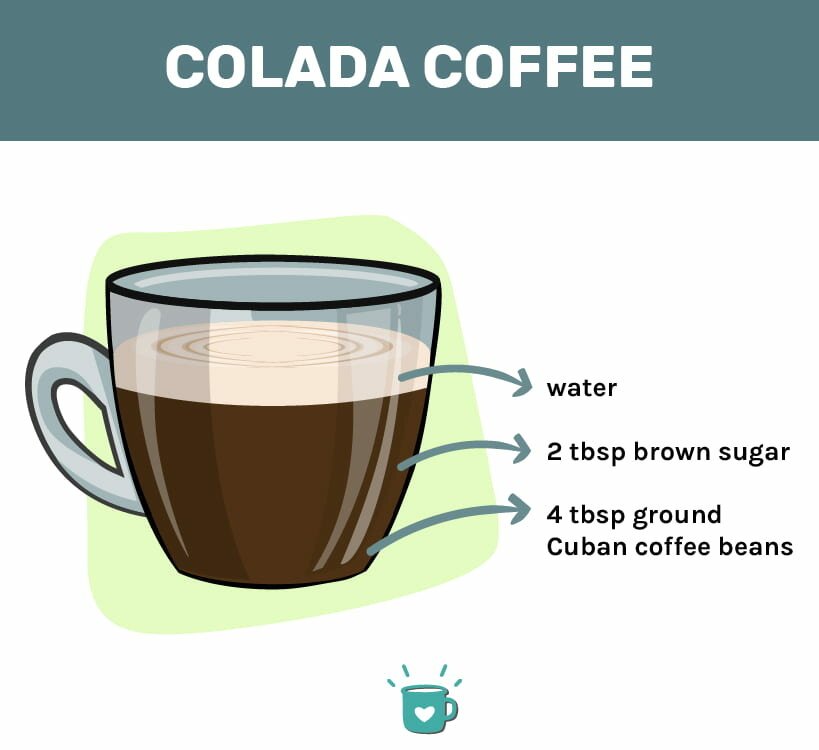
Colada coffee, a bold and rich Cuban-style drink, is a shot of espresso sweetened with demerara sugar. Originating from Miami’s iconic cafecito culture, colada coffee is served in small cups and meant for sharing among friends or coworkers. This potent brew is a staple in many Hispanic communities, fueling lively conversations and boosting afternoon productivity. The irresistible combination of intense espresso and sugary sweetness makes colada coffee a unique and delightful experience for coffee enthusiasts seeking a jolt of flavor and caffeine. Indulge in the vibrant tradition of colada coffee today.

What is Colada Coffee?
Welcome, coffee enthusiasts! Today, we are diving into the delightful world of colada coffee. If you’ve never heard of colada coffee before, you’re in for a treat. This Cuban-inspired beverage has been gaining popularity for its unique flavor and strong kick. So, grab your favorite mug and let’s explore the wonderful world of colada coffee together!
The Origins of Colada Coffee
To truly understand what colada coffee is, we must first delve into its fascinating origins. Colada coffee traces its roots back to Cuba, where it is a beloved traditional drink. In Cuban culture, coffee is not just a beverage but a way of life, and colada coffee holds a special place in the hearts of many.
The word “colada” itself means “strained” in Spanish, referring to the way this coffee is brewed and served. It is often enjoyed in social settings, where friends and family gather to share stories and savor the rich flavors of this aromatic drink.
The Ingredients of Colada Coffee
Now, let’s talk about what goes into making a delicious colada coffee. The key ingredients include finely ground espresso coffee beans and hot water. The espresso is typically brewed using a traditional espresso machine, extracting a strong and concentrated coffee base.
One unique aspect of colada coffee is the addition of sugar during the brewing process. In Cuban culture, sugar is often added to coffee to create a sweet and robust flavor profile. This touch of sweetness sets colada coffee apart from other espresso-based drinks.
Preparing a Perfect Colada Coffee
Here’s a basic recipe to prepare a perfect colada coffee at home:
- Start by grinding your espresso beans finely to extract maximum flavor.
- Heat your water to near-boiling temperature.
- Place the finely ground espresso in the portafilter of your espresso machine and tamp it down firmly.
- Extract the espresso shot directly into a container with sugar, stirring to dissolve the sugar.
- Pour the sweetened espresso into small cups, serving it in a communal style for sharing.
The Culture of Colada Coffee
Colada coffee is more than just a beverage; it embodies a rich cultural tradition. In Cuban communities, sharing a colada coffee is a symbol of hospitality and camaraderie. It is often enjoyed in the morning or after meals, bringing people together in a warm and inviting atmosphere.
When you order a colada coffee at a Cuban cafe, you may notice the unique way it is served. Instead of individual cups, colada coffee is typically served in a large cup or container with small demitasse cups for sharing. This communal style of serving encourages conversation and connection among friends and family.
The Buzz of Colada Coffee
One of the distinguishing features of colada coffee is its strong kick of caffeine. This potent brew is meant to be shared among a group, with each person sipping from the small cups to enjoy the intense flavors and energizing effects of the coffee.
Due to its high caffeine content, colada coffee is often enjoyed in small quantities to avoid overwhelming buzz. However, for those who appreciate a jolt of energy in their morning routine, colada coffee provides the perfect pick-me-up to start the day on the right note.
Colada Coffee Around the World
While colada coffee has its roots in Cuban culture, it has started to gain popularity beyond its native land. Coffee lovers around the world are discovering and embracing the unique flavors and communal experience that colada coffee offers.
In cities with vibrant Cuban communities, you can find cafes and restaurants that serve authentic colada coffee, allowing locals and tourists alike to savor this cultural gem. As the global interest in specialty coffee continues to grow, colada coffee has found its place among the diverse array of coffee beverages enjoyed worldwide.
In Conclusion
So, there you have it – a glimpse into the world of colada coffee. From its Cuban origins to its strong caffeine kick, colada coffee is a beverage that embodies tradition, culture, and community. Whether you’re a coffee connoisseur or a curious explorer of new flavors, colada coffee invites you to take a sip and experience the rich heritage behind each cup.
Next time you’re looking for a coffee experience that is both bold and sweet, consider trying a colada coffee and join in the tradition of sharing a cup of this delightful brew with your loved ones. Cheers to the wonderful world of colada coffee!
Cuban coffee & 2 ways to fix the sugar to make the Crema #recetacubana #espumita
Frequently Asked Questions
What are the ingredients in colada coffee?
Colada coffee typically consists of strong Cuban espresso shots sweetened with sugar in a unique brewing process. The key ingredients are espresso and sugar, resulting in a rich and sweet flavor profile.
How is colada coffee traditionally served?
Colada coffee is traditionally served in small cups called “tacitas” or “demitasses” to be shared among friends or colleagues. It is meant to be sipped quickly due to its strong caffeine content.
Can colada coffee be customized with milk or other additions?
While colada coffee is traditionally served as espresso shots with sugar, some variations may include adding a small amount of milk. However, the essence of colada coffee lies in its strong espresso base with a hint of sweetness.
What sets colada coffee apart from regular espresso?
Colada coffee differs from regular espresso in its brewing method and presentation. It is often brewed in a large pot called a “cafetera” and served in smaller cups for sharing, fostering a communal drinking experience.
Final Thoughts
In conclusion, Colada coffee is a traditional Cuban espresso drink served in small cups. It consists of strong espresso shots sweetened with sugar during the brewing process. The term “colada” translates to “strained” in Spanish, referring to the way the coffee is made. This flavorful and potent coffee is meant to be shared among friends and coworkers, fostering a sense of community and connection.