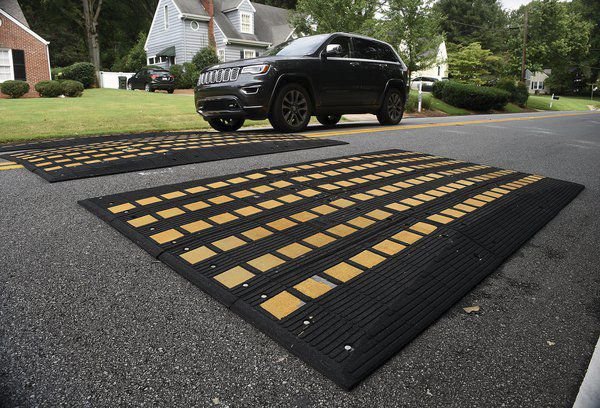
A speed cushion is a traffic calming measure designed to reduce vehicle speed in residential areas. Placed strategically on roads, these raised platforms force drivers to slow down, promoting safety for pedestrians and cyclists. The gentle bumps of a speed cushion aim to maintain a smooth flow of traffic while discouraging speeding. By creating a visual and physical obstacle, these devices encourage drivers to adhere to the speed limit, enhancing overall road safety.

What is a Speed Cushion?
If you’ve ever walked or driven through a neighborhood, you might have come across a peculiar traffic calming device known as a speed cushion. Speed cushions are designed to slow down vehicles in certain areas to enhance safety for pedestrians and residents. Let’s dive deeper into what exactly a speed cushion is and how it works.
The Basic Concept of Speed Cushions
Imagine walking down your street and suddenly encountering a raised portion of the road that looks like a flattened speed bump. That’s a speed cushion! Unlike traditional speed bumps that stretch across the entire width of the road, speed cushions are divided into segments, allowing larger vehicles like buses and emergency vehicles to pass through without much disturbance.
How Speed Cushions Differ from Speed Bumps
Speed bumps are notorious for causing discomfort to drivers due to the abrupt jolt experienced when driving over them. On the other hand, speed cushions are strategically designed to offer a compromise between traffic flow and safety. By leaving gaps between the segments, vehicles with wider wheelbases can straddle the cushions, minimizing the impact on their passengers.
Components of a Speed Cushion
A typical speed cushion consists of durable materials like rubber, asphalt, or concrete. The cushion’s height and width are carefully calculated to control vehicle speed effectively while ensuring emergency vehicles can navigate through them without delay. Reflective markings are often added to increase visibility, especially during nighttime.
The Science Behind How Speed Cushions Work
When a vehicle approaches a speed cushion, the driver is usually prompted to slow down as the cushion creates a noticeable change in the road surface. The segmented design ensures that smaller vehicles traverse the cushion more slowly, enhancing safety for pedestrians and cyclists who may be sharing the road.
Benefits of Installing Speed Cushions
Speed cushions offer numerous advantages when it comes to managing traffic in residential areas and school zones. Here are some key benefits of implementing speed cushions:
Enhanced Safety for Pedestrians
One of the primary reasons for installing speed cushions is to reduce the risk of accidents involving pedestrians. By slowing down vehicles, speed cushions provide a safer environment for people walking or playing near the road.
Reduced Noise and Vibrations
Compared to traditional speed bumps, speed cushions help minimize noise and vibrations caused by vehicles passing over them. This is particularly important in neighborhoods where maintaining a peaceful ambiance is a priority.
Improved Traffic Flow
While speed cushions are effective at reducing speeding, they are designed to allow larger vehicles to navigate through without having to come to a complete stop. This helps maintain a smoother traffic flow, benefiting both drivers and residents.
Concerns and Considerations
While speed cushions offer various benefits, there are also considerations to keep in mind before installing them in a particular area. Here are some common concerns associated with speed cushions:
Impact on Emergency Response Vehicles
One challenge of using speed cushions is ensuring that emergency vehicles can pass through quickly when responding to urgent situations. Proper planning and consultation with emergency services are vital to address this issue.
Driver Awareness and Education
Some drivers may initially find speed cushions unfamiliar and may require time to adjust their driving behavior. Public education campaigns and clear signage can help raise awareness about the purpose and function of speed cushions.
Maintenance and Durability
Like any road infrastructure, speed cushions require regular maintenance to ensure their effectiveness and longevity. Factors such as weather conditions and vehicle traffic can impact the durability of speed cushions over time.
In conclusion, speed cushions play a crucial role in promoting road safety and managing traffic in residential areas. By effectively reducing speeding and enhancing pedestrian safety, speed cushions contribute to creating a more secure and harmonious environment for everyone. Whether you’re a driver, pedestrian, or resident, understanding the purpose and function of speed cushions can help foster a culture of respect and cooperation on the roads. So next time you encounter a speed cushion on your street, remember that it’s there to make your community safer for everyone.
Why new speed cushions have gaps in them
Frequently Asked Questions
What is a speed cushion?
A speed cushion is a traffic calming device designed to slow down vehicles in residential areas or school zones. It is similar to a speed bump but is wider and has a gradual slope, allowing larger vehicles like emergency vehicles and buses to pass over more easily.
How do speed cushions work?
Speed cushions work by forcing vehicles to reduce their speed while driving over them. The design of the cushion causes drivers to slow down to navigate over the raised sections, effectively controlling speeding without completely halting traffic flow.
Are speed cushions effective in reducing vehicle speed?
Yes, speed cushions are effective in reducing vehicle speed in areas where speeding is a concern. Studies have shown that they can decrease speeding and improve overall safety by encouraging drivers to drive at slower, more appropriate speeds.
Do speed cushions have any impact on emergency vehicle response times?
Speed cushions are specifically designed to allow emergency vehicles to pass over them without significant delays. The wider design and staggered placement of the cushions ensure that emergency vehicles can navigate through them at controlled speeds without compromising response times.
Final Thoughts
Speed cushions are traffic calming devices designed to slow drivers down in residential areas. They are typically made of durable materials like asphalt or rubber and are installed on roadways to reduce speeding and enhance overall safety. What sets speed cushions apart from other traffic calming measures is their specific design, which allows vehicles with wider wheelbases like emergency vehicles to pass through without significant delays. Overall, speed cushions are an effective tool in promoting safer driving habits and reducing the risk of accidents in neighborhoods.