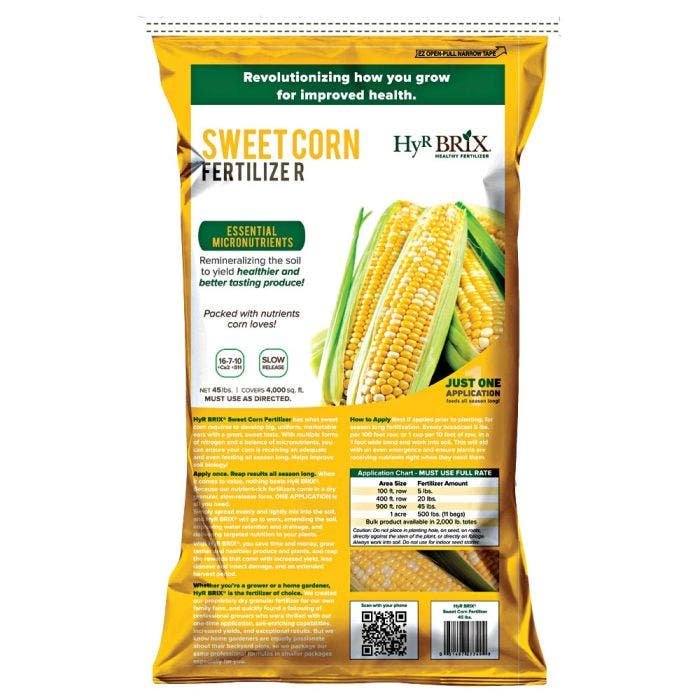
For corn cultivation, the best fertilizer to achieve optimal growth and yield is a balanced blend high in nitrogen, phosphorus, and potassium. Farmers often face the challenge of selecting the right fertilizer for corn to ensure healthy development and robust production. Understanding the specific nutrient requirements and soil conditions is crucial in determining what fertilizer for corn will be most effective. By exploring the various options available and tailoring the application to meet the crop’s needs, farmers can maximize their harvest and overall success in corn production.

Choosing the Right Fertilizer for Corn: A Complete Guide
Welcome, young farmers and curious minds! Today, we are diving deep into the fascinating world of fertilizers for growing corn. Whether you’re a seasoned farmer or just starting out, understanding the importance of choosing the right fertilizer is vital for a successful corn harvest. So, grab a seat and let’s navigate through the realm of fertilizers for corn together!
The Basics of Fertilizing Corn
Before we get into the specifics of choosing the right fertilizer, let’s talk about why fertilizing corn is so crucial. Corn is a heavy feeder, meaning it requires a lot of nutrients to grow healthy and tall. These nutrients, such as nitrogen, phosphorus, and potassium, are essential for the corn plants to develop strong roots, sturdy stalks, and produce those delicious ears of corn we all love.
When it comes to fertilizing corn, there are two main types of fertilizers you’ll encounter – synthetic fertilizers and organic fertilizers. Synthetic fertilizers are man-made chemical compounds that provide nutrients to the soil, while organic fertilizers are derived from natural sources like compost, manure, or bone meal. Both types have their pros and cons, so it’s essential to choose the right one based on your specific needs and preferences.
Understanding the Nutrient Needs of Corn
Now that we know the importance of fertilizing corn let’s delve into the specific nutrients that corn plants need to thrive. The three primary nutrients that corn requires are nitrogen (N), phosphorus (P), and potassium (K), often referred to as N-P-K. These nutrients play different roles in the growth and development of corn plants:
Nitrogen (N):
Nitrogen is crucial for the overall growth and green color of corn plants. It helps in the formation of proteins, which are essential for various plant functions. Adequate nitrogen levels result in healthy leaf development and vigorous growth, ultimately leading to higher yields of corn.
Phosphorus (P):
Phosphorus is vital for root development and early plant growth. It plays a significant role in energy transfer within the plant and is essential for flowering and fruiting. A deficiency in phosphorus can lead to stunted growth and poor yields in corn crops.
Potassium (K):
Potassium helps in strengthening the stalks and improving the plant’s ability to resist diseases and drought. It also plays a crucial role in the process of photosynthesis and nutrient uptake. Adequate potassium levels can enhance the overall health and yield of corn plants.
Choosing the Right Fertilizer Blend
Now that we have a good understanding of the key nutrients needed for corn let’s talk about how to choose the right fertilizer blend for your corn crop. Fertilizers come in different blends with varying ratios of N-P-K, and selecting the right one can make a significant difference in the health and productivity of your corn plants.
When selecting a fertilizer blend for corn, consider factors such as the soil type, previous crop rotation, and the stage of the corn growth cycle. For example, a fertilizer with a higher nitrogen content may be suitable for the early stages of growth to promote leaf development, while a balanced blend with all three nutrients may be more beneficial during the flowering and fruiting stages.
Organic vs. Synthetic Fertilizers: Which is Better for Corn?
One of the age-old debates in farming is whether organic or synthetic fertilizers are better for corn crops. Both types of fertilizers have their advantages and disadvantages, so let’s break down the key differences between them:
Organic Fertilizers:
Organic fertilizers are derived from natural sources and contain beneficial microorganisms that improve soil health. They release nutrients slowly over time, providing a steady supply of nourishment to the corn plants. Organic fertilizers also help improve soil structure and water retention, leading to healthier and more resilient crops in the long run.
Synthetic Fertilizers:
Synthetic fertilizers are manufactured chemical compounds that provide an immediate and concentrated source of nutrients to the plants. They are fast-acting and can quickly address nutrient deficiencies in the soil. However, synthetic fertilizers can also leach into water sources, pollute the environment, and harm beneficial soil organisms if not used carefully.
When deciding between organic and synthetic fertilizers for your corn crop, consider factors such as cost, environmental impact, soil health, and long-term sustainability. Some farmers opt for a combination of both types to reap the benefits of both worlds.
Best Practices for Fertilizing Corn
Now that you’re well-versed in the world of fertilizers for corn, let’s wrap up with some best practices to ensure a bountiful harvest:
- Conduct a soil test to determine the nutrient levels and pH of your soil before applying any fertilizer.
- Follow the recommended application rates and timing for fertilizers to avoid overfertilization or nutrient imbalances.
- Consider using a slow-release fertilizer to provide a steady supply of nutrients to the corn plants throughout the growing season.
- Monitor your corn plants regularly for any signs of nutrient deficiencies or excesses and adjust your fertilization practices accordingly.
- Remember that proper crop rotation, weed control, and irrigation practices also play a significant role in the overall health and yield of your corn crop.
By following these best practices and selecting the right fertilizer blend for your corn crop, you’ll be on your way to growing healthy, vibrant corn plants that will soon be ready for picking and enjoying. Happy farming!
And there you have it, young farmers! We’ve covered everything you need to know about choosing the right fertilizer for corn. Remember, each corn plant is like a green treasure waiting to flourish, and the key to unlocking its full potential lies in providing the right nutrients at the right time. So, go out there, get your hands dirty, and watch your corn crop thrive with the magic of the perfect fertilizer!
Your Corn Will LOVE You For This: 4 Tips to Grow Corn Like A Pro!
Frequently Asked Questions
What factors should I consider when choosing a fertilizer for corn?
When selecting a fertilizer for corn, it is essential to consider the nutrient requirements of corn at different growth stages. Factors such as soil type, pH levels, and any existing nutrient deficiencies should also be taken into account. Additionally, considering the nitrogen, phosphorus, and potassium content in the fertilizer is crucial for promoting healthy corn growth.
How can I determine the right time to apply fertilizer to corn?
The timing of fertilizer application for corn plays a significant role in maximizing nutrient uptake and overall crop yield. Generally, it is recommended to apply fertilizers before planting or during the early stages of corn growth to provide essential nutrients when the plants need them the most. Regular soil testing can help determine the right time and frequency of fertilizer application based on specific nutrient requirements.
What are some common types of fertilizers used for corn cultivation?
Common types of fertilizers used for corn cultivation include nitrogen-based fertilizers like urea and ammonium nitrate, phosphorus-based fertilizers such as diammonium phosphate (DAP), and potassium-based fertilizers like potassium chloride. Blended fertilizers that combine different nutrients in a single product are also widely used to provide a balanced nutrient supply for corn plants.
Final Thoughts
In conclusion, choosing the right fertilizer for corn is crucial for a successful harvest. Consider soil nutrient levels, corn growth stage, and specific nutrient needs when deciding on the type and application of fertilizer. Regular soil testing and consulting with agricultural experts can help determine the best fertilizer for corn. Remember, providing the proper nutrients at the right time is essential for maximizing corn yield and quality. Selecting the appropriate fertilizer for corn is a key factor in achieving a bountiful harvest.