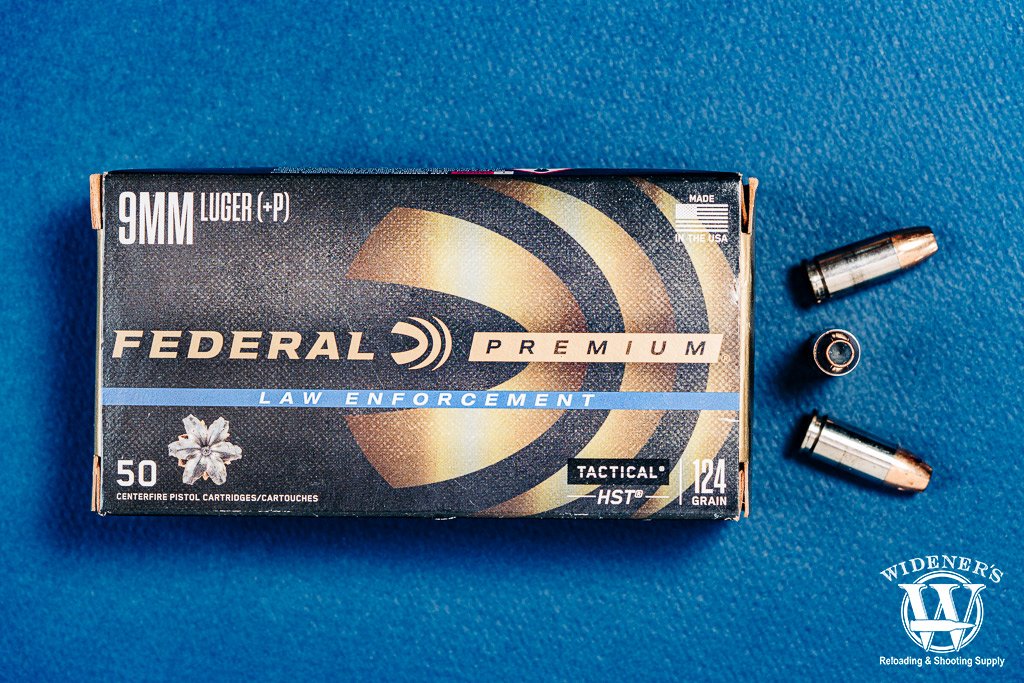
Cops use a variety of ammunition tailored to meet the demands of their duties. The type of ammo cops use depends on the situation at hand. From standard issue handgun rounds to specialized rifle cartridges, law enforcement officers carefully select the ammo that best suits their needs. Understanding what ammo do cops use can provide valuable insights into the tools they rely on to keep communities safe.

What Ammo Do Cops Use: A Comprehensive Guide
Welcome to our detailed guide on what ammo cops use in their line of duty. As members of law enforcement, police officers rely on specific types of ammunition for their firearms to ensure safety and effectiveness in various situations. In this article, we will delve into the different types of ammunition commonly used by police officers, the reasons behind their selection, and how these choices impact law enforcement operations.
The Role of Ammunition in Policing
Before we discuss the specific types of ammunition used by police officers, it is important to understand the critical role that ammunition plays in law enforcement. Ammunition is a crucial component of an officer’s toolset, providing the necessary force to neutralize threats and maintain public safety. Police officers undergo rigorous training to handle firearms and ammunition responsibly, emphasizing the importance of accuracy and safety in high-pressure situations.
Common Types of Ammunition Used by Cops
Police officers use several types of ammunition, each designed for specific purposes. The most common types of ammunition used by cops include:
1. Full Metal Jacket (FMJ)
Full Metal Jacket ammunition is a standard type of ammunition used by police officers. It features a lead core encased in a harder metal, such as copper, to enhance penetration and maintain shape upon impact. FMJ rounds are known for their reliability and are often used in training exercises and target practice.
2. Jacketed Hollow Point (JHP)
Jacketed Hollow Point ammunition is designed to expand upon impact, creating a larger wound cavity and transferring more energy to the target. Police officers often use JHP rounds in duty weapons for self-defense and to minimize the risk of over-penetration, which can endanger bystanders.
3. Frangible Ammunition
Frangible ammunition is engineered to break apart upon impact, reducing the risk of ricochets and collateral damage. Police officers may use frangible rounds in situations where minimizing the risk of penetration through barriers or structures is critical, such as in urban environments or crowded areas.
Factors Influencing Ammo Selection
Several factors influence the selection of ammunition for police use, including:
1. Stopping Power
Police officers prioritize ammunition with adequate stopping power to incapacitate threats effectively. The choice of ammunition is crucial in determining how quickly a threat can be neutralized to prevent further harm.
2. Penetration and Expansion
Ammunition that offers controlled penetration and expansion upon impact is preferred by law enforcement to minimize collateral damage and ensure the safety of bystanders. Officers must consider the potential for over-penetration when selecting ammunition for duty use.
3. Reliability and Consistency
Police officers rely on ammunition that is consistent in performance and reliable in various environmental conditions. Consistency ensures that officers can trust their ammunition to perform as expected in high-stress situations.
Impact of Ammo Choice on Law Enforcement Operations
The choice of ammunition directly impacts law enforcement operations in several ways:
1. Officer Safety
The selection of appropriate ammunition plays a significant role in ensuring officer safety during confrontations with armed individuals. The effectiveness of the chosen ammunition can determine the outcome of a life-threatening situation.
2. Public Safety
By using ammunition that minimizes the risk of collateral damage and over-penetration, police officers prioritize public safety in their operations. Responsible ammunition selection is essential in densely populated areas to reduce the chances of unintended injuries.
3. Legal Considerations
Law enforcement agencies must adhere to legal guidelines regarding the use of ammunition in various scenarios. The choice of ammunition must align with legal regulations and departmental policies to ensure compliance and accountability.
In conclusion, understanding what ammo cops use sheds light on the critical considerations that law enforcement officers make when selecting ammunition for duty use. By prioritizing factors such as stopping power, penetration, reliability, and safety, police officers equip themselves with the tools necessary to uphold public safety and protect communities. The importance of responsible ammunition selection cannot be overstated, as it directly influences the outcomes of law enforcement operations and ensures the effective performance of police officers in challenging situations.
Thank you for reading our comprehensive guide on what ammo cops use. Stay informed and stay safe!
The Difference Between Patrol Ammunition and Practice Ammo!
Frequently Asked Questions
What type of ammunition do police officers typically use?
Police officers commonly use standard ammunition such as 9mm, .40 S&W, and .45 ACP for their duty weapons. These calibers are chosen for their stopping power, reliability, and widespread availability.
Do police officers use special ammunition for specific situations?
Yes, police officers may use specialized ammunition like frangible rounds for certain situations. Frangible rounds are designed to break upon impact, reducing the risk of over-penetration and collateral damage.
Why do police officers often prefer hollow-point ammunition?
Police officers often prefer hollow-point ammunition because it expands upon impact, causing more significant tissue damage and reducing the risk of over-penetration. This helps to increase stopping power while minimizing the risk to bystanders.
Is there a specific reason why some police departments choose one caliber over another?
Police departments may choose a specific caliber based on factors such as performance, recoil control, ammunition cost, and departmental policies. Each caliber has its advantages and may be selected to best suit the needs of the department and its officers.
Final Thoughts
In conclusion, police officers typically use ammunition specifically designed for law enforcement purposes. The type of ammo cops use depends on their department’s policies, training, and the situation they may encounter. Common types of ammunition used by police include hollow point bullets for their stopping power and reduced risk of collateral damage. Therefore, it is crucial for law enforcement officers to be well-trained in handling and choosing the appropriate ammo for their duties. What ammo do cops use plays a significant role in their ability to effectively carry out their responsibilities.