
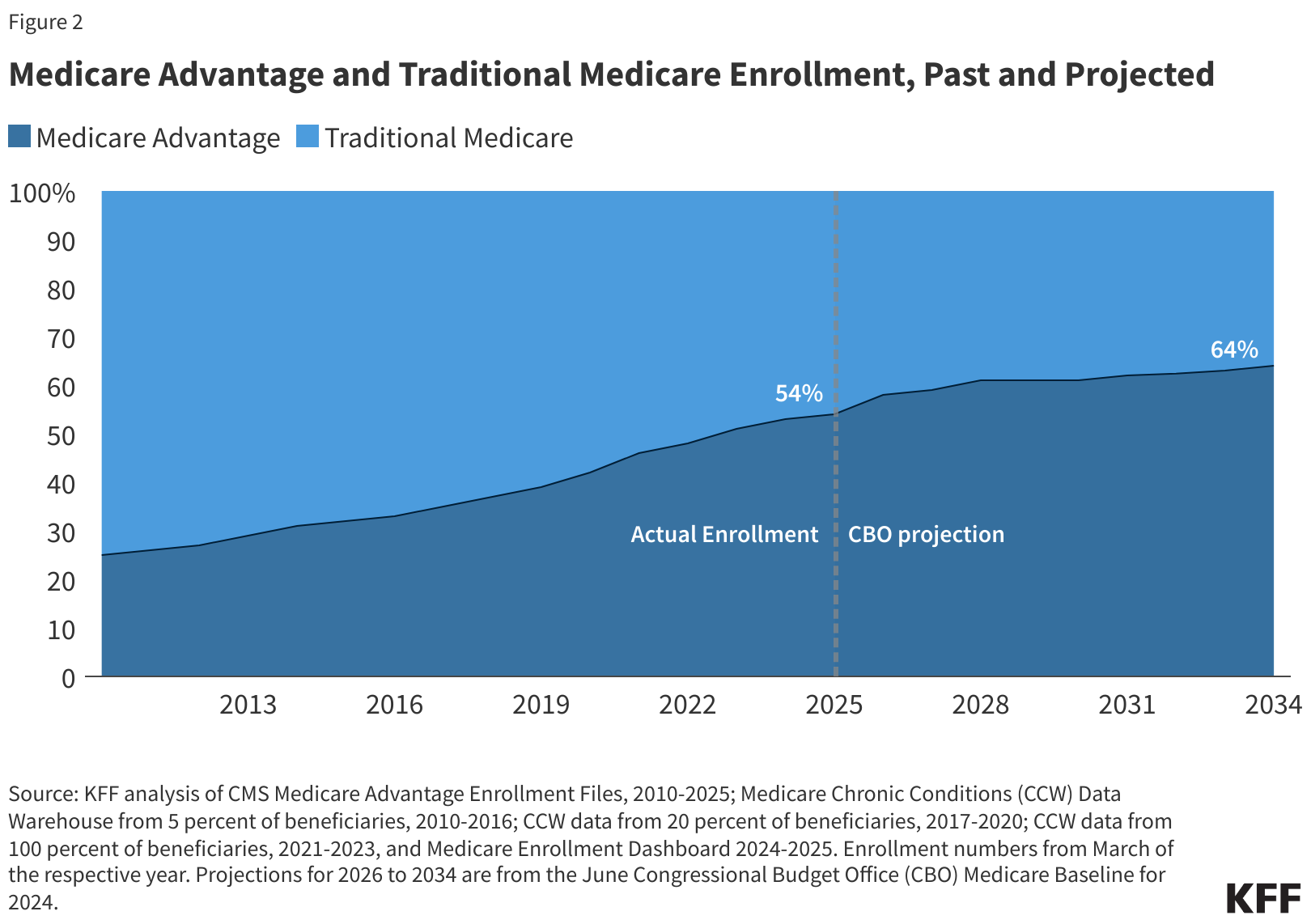
Healthcare coverage continues to evolve rapidly as policy updates, demographic shifts, and digital health integration reshape the insurance landscape in the United States. For seniors and individuals preparing for upcoming enrollment cycles, understanding the changing structure of benefits, costs, and provider networks has become increasingly important. In this context, Medicare Advantage Plans 2026 represent a significant shift in how private insurers and government-supported programs align to deliver more personalized healthcare options, improved preventive services, and expanded telehealth accessibility. As the market matures, beneficiaries are expected to see greater customization in plan structures, including wellness incentives and more flexible out-of-pocket cost designs. This evolving framework highlights the importance of reviewing plan details carefully before making enrollment decisions.
Overview of the 2026 Medicare Advantage Landscape
The Medicare Advantage environment in 2026 is shaped by a growing emphasis on value-based care and patient-centered outcomes. Plans are increasingly designed to improve overall health rather than simply cover treatment after illness occurs. Insurers are focusing on integrated care networks that connect primary care physicians, specialists, and digital health tools into a more seamless experience.
Another notable development is the expansion of supplemental benefits. Many plans are broadening coverage to include services such as dental care, vision support, transportation to medical appointments, and wellness programs. These additions aim to address social determinants of health and reduce long-term healthcare costs by encouraging preventive care.
At the same time, cost structures are becoming more transparent. Beneficiaries are seeing clearer breakdowns of premiums, copayments, and maximum out-of-pocket limits, helping them make more informed decisions during enrollment periods.
Top Trending Developments in 2026
Expansion of Telehealth Services
Virtual healthcare is becoming a standard feature rather than an optional add-on. Plans are investing in digital platforms that allow patients to consult doctors remotely, reducing travel barriers and improving access for rural populations.
Personalized Care Coordination
More plans are offering dedicated care coordinators who help patients manage chronic conditions, schedule appointments, and navigate complex treatment pathways. This personalization is improving adherence to treatment plans.
Growth of Preventive Wellness Incentives
Insurers are encouraging healthier lifestyles through rewards for regular screenings, fitness participation, and chronic disease management programs. These incentives are helping reduce long-term claims costs.
Increased Plan Flexibility and Options
Beneficiaries are seeing a wider variety of plan structures tailored to income levels, health conditions, and preferred provider networks, allowing for more precise matching of healthcare needs.
Enhanced Prescription Drug Management
Medication coverage is becoming more streamlined with improved formularies and cost-saving programs, making essential drugs more affordable and accessible for seniors.
What factors are influencing plan changes in 2026?
Several structural factors are driving updates in Medicare Advantage offerings. Rising healthcare costs are pushing insurers to adopt more preventive and value-based care models. Additionally, an aging population is increasing demand for chronic disease management and long-term care coordination. Technological advancements, especially in telemedicine and health data analytics, are also enabling insurers to design more efficient and responsive healthcare solutions. Regulatory updates are further encouraging transparency and improved consumer protections, ensuring beneficiaries have clearer information when selecting plans.
How should beneficiaries evaluate plans?
When evaluating options, beneficiaries should focus on both current and future healthcare needs. It is important to compare provider networks to ensure preferred doctors and hospitals are included. Cost structures, including premiums, deductibles, and out-of-pocket maximums, should be carefully reviewed to avoid unexpected expenses. Additional benefits such as dental, vision, and wellness programs can also add significant value depending on individual health priorities. Reviewing prescription drug coverage is essential, especially for those managing long-term medications. Taking a comprehensive approach ensures the selected plan aligns with both medical and financial requirements.
Why is preventive care becoming central in modern plans?
Preventive care is now a cornerstone of modern Medicare Advantage structures because it helps reduce long-term healthcare spending while improving quality of life. Early detection of illnesses allows for more effective treatment and reduces the need for expensive emergency care or hospitalizations. Insurers are increasingly investing in screenings, wellness visits, and lifestyle management programs to keep members healthier for longer. This shift not only benefits patients but also supports a more sustainable healthcare system by lowering overall risk and improving outcomes across populations.